
The Seasonal Edit: September — An Early Fall Garden Checklist
I was doomscrolling on Instagram the other day when I saw a post that said we have only 80 summers in our lifetime, if we’re lucky.
And then it hit me. Another summer in the books!
Fall may be in the air, but the garden has shown very little sign of slowing down.
I finally planted my summer propagation experiments in the garden. Japanese aster, agastache, and Veronica survived! Salvia wasn’t so lucky.
Sedum and penstemon may overwinter in their pots while I decide where their permanent homes will be.
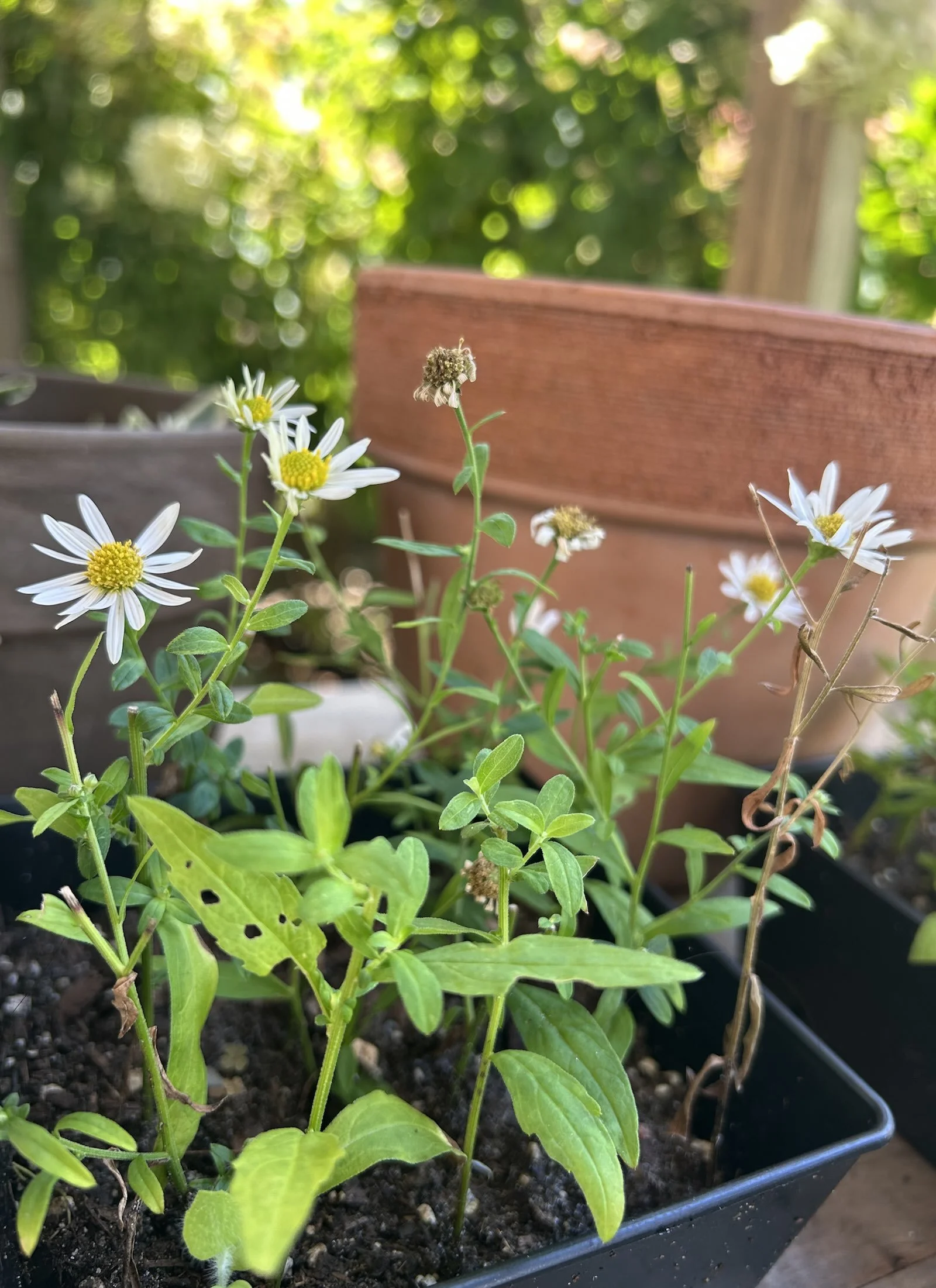
I successfully propagated the Japanese aster and planted them out in the garden. All photos by Parsley & Petal.
There’s been plenty of other moving around, too. Shrub roses have replaced the poor-performing peonies in the South Garden. Some hybrid roses moved into new spots, with ornamental grasses taking their place.
And the Pinky Winky hydrangea I neglected long enough to wilt and drop its leaves has finally been planted, making it the latest inductee into my Wall of Shame. Fortunately, it is already filling back in with new leaves.
September may mark the beginning of fall, but around here, there is still plenty of gardening left to do.
If You Only Do Three Things This Month:
1. Plant, move, and divide.
Take advantage of cooling temperatures to get new plants into the ground, move those that aren't working where they are, and divide overcrowded perennials. Keep everything well watered while it establishes.
2. Renovate the lawn.
Late August into early September is an important window for lawn renovation. Core-aerate compacted areas, dethatch where needed, and overseed thin or bare patches.
3. Plan while you can still see the garden.
Take pictures and make notes about what worked, what didn't, and what you want to change. Some of it can happen now. The rest can wait.
1. Lawn & Weeds
Renovate thin or tired lawn areas. Core-aerate compacted soil and overseed thin or bare areas.
Fertilize if needed. If you follow the Northeast holiday fertilizer schedule, apply a slow-release nitrogen lawn fertilizer around Labor Day.
Stay on top of weeds. Pull weeds from beds and borders before they spread or set seed, and know when a persistent problem warrants professional help.
2. Beds & Borders
Plan and redesign beds. Photograph them and/or note which plants need to move, be divided, or be removed, and where gaps need to be filled.
Divide overcrowded perennials like geum, iris, daylilies, and cranesbill geranium. Replant divisions elsewhere or share and swap extras with friends and neighbors.
Protect tender young divisions and transplants, which are especially vulnerable to browsing by rabbits and deer.
Stop fertilizing established perennials, shrubs, and roses, and avoid pruning that encourages tender new growth.
Leave healthy seedheads. Allow annuals like verbena bonariensis to reseed where you want more next year. Leave echinacea, black-eyed Susans, and other perennial seedheads standing for wildlife and winter interest.
Remove diseased material. Selective cleanup is different from cutting everything down. Remove diseased foliage and debris rather than leaving it to overwinter.
Refresh mulch where needed. Lightly replenish areas disturbed by summer weather, weeding, planting, and transplanting.
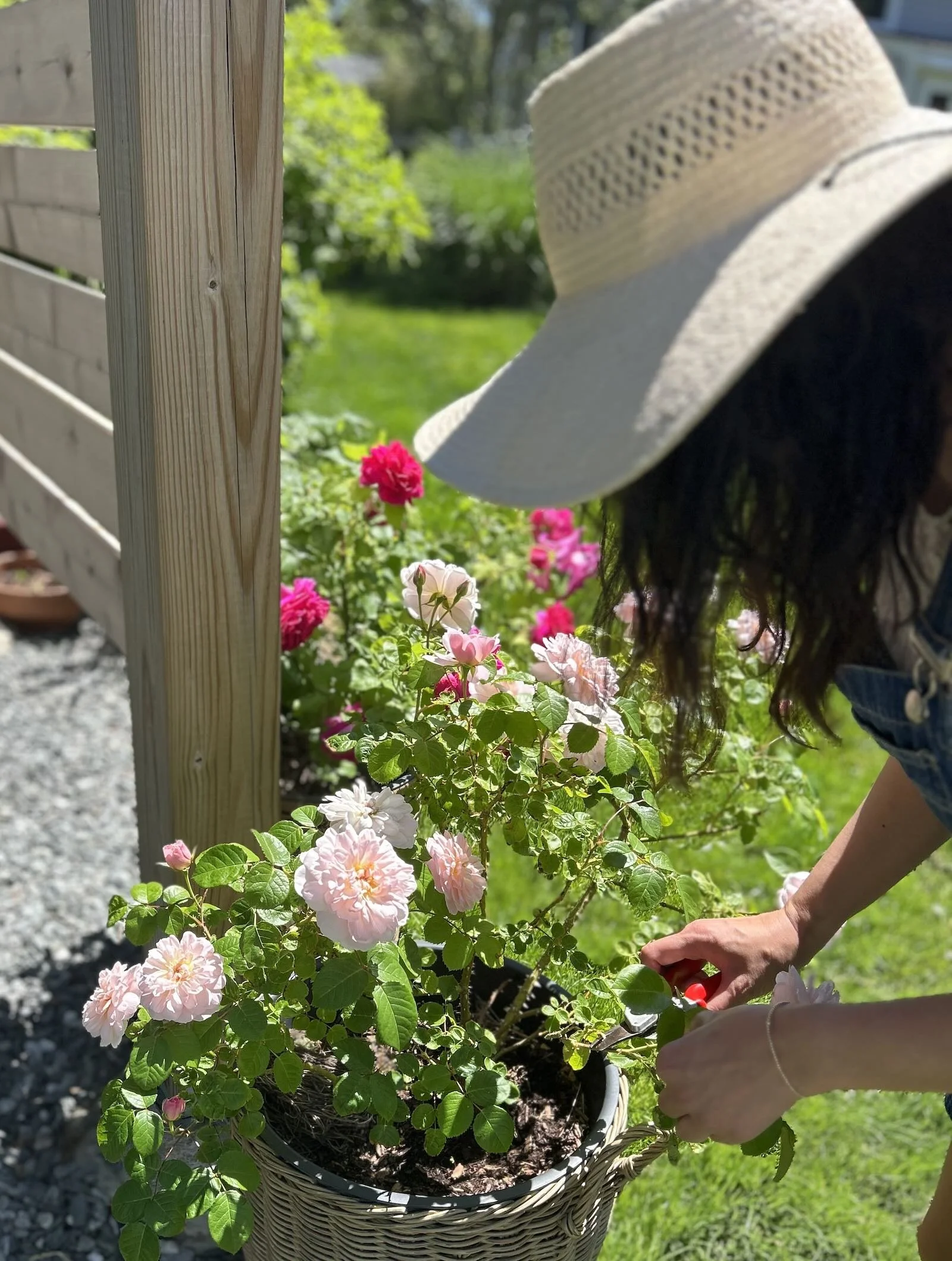
Stop fertilizing and pruning established perennials and roses.
3. Containers & Watering
Keep what still looks good. Add mums and gourds for an easy seasonal change, while asters, ornamental grasses, ornamental peppers, and kale offer different colors and textures.
Keep watering. Containers and newly planted or transplanted beds can still dry out even as temperatures cool.
Another Summer in the Books
My watermelon apparently didn’t get the memo that summer was ending and time was running out. Technically, there is a watermelon. It is currently approximately the size of a chickpea.
The cucumbers keep arriving shaped like pears and baseballs, or “cucamelons,” as my sister likes to call them, after their chartreuse-and-green stripes, but they're quite crunchy and good. I am apparently not alone in either my ineptitude or my complete lack of ambition to become a serious homesteader this summer.
Most of my herbs became rabbit food.
And my vegetables? I've decided I like the idea of a picture of me in a beautifully designed potager garden—with the plants, roses, herbs, fragrances, etc., etc.—more than the idea of me maintaining one.
I do, however, still want to grow more of my “cucamelons.” I enjoyed those.
Spring bulbs are beginning to enter my thoughts, too. I definitely want more alliums because I love how whimsical and storybook they look, although my mind has been excellent at generating ideas way bigger than what my body can execute lately.
Maybe that's part of what another summer in the garden teaches you: what you want more of, what you're ready to let go, and what can simply wait.
As one growing season winds down, the next begins to take shape.
Continue Reading
The Seasonal Edit
The Seasonal Edit is a free, printable checklist of what’s emerging, what can wait, and what deserves attention now. Practical tasks. Clear structure. Timed to the season as it unfolds.