
Do Deer Eat Hydrangeas? What to Expect (and What I’ve Learned)
Working as a stylist on photo shoots in the city, everything had to be picture-perfect. But the garden doesn’t work that way, especially when deer are involved.
Walking the garden in early spring, the hydrangeas are probably not the first thing that catches my eye.
It’s the hellebores, the daffodils pushing through, the first signs of life I’ve seen for months.
But the hydrangeas are there in the background, still bare, still quiet. And when I stop and look closely, that’s when the questions start.
A missing tip here. A shortened stem there. Sometimes subtle, and sometimes enough to make me want to build a fence.
In a garden that gets regular deer traffic, it’s easy to connect the dots.
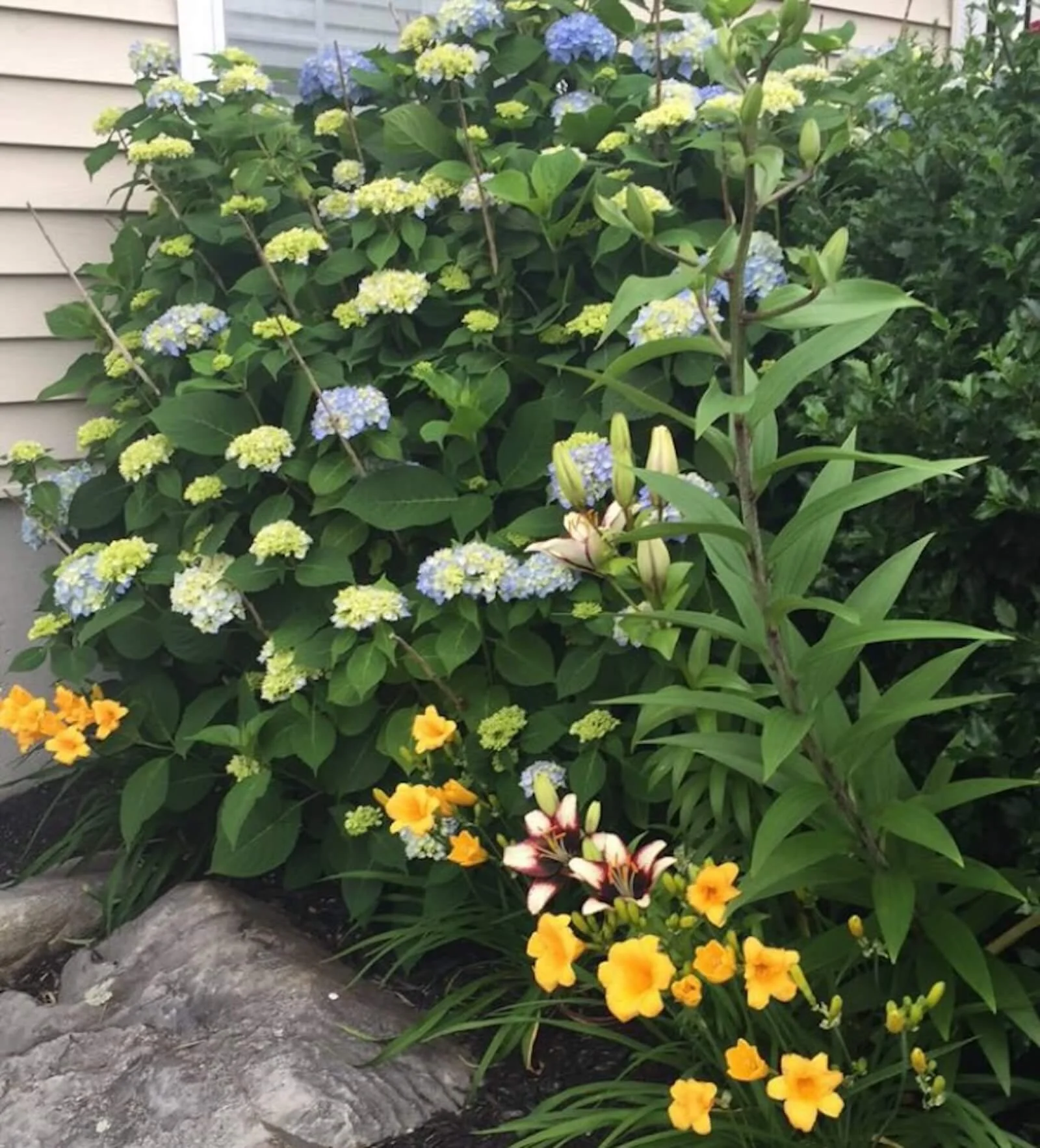
Mophead hydrangea with perennial deer favorites daylilies and Asiatic lilies. Photo by Parsley & Petal.
Quick Answer
Yes, deer will eat hydrangeas, especially mopheads and those that grow on old wood, a concept which I explain in more detail here; however, the damage isn’t always obvious at first glance. The more established, woodier panicle types are usually safe.
You can find a more comprehensive list of plants frequently destroyed by deer in my Northeast garden here.
What Deer Damage Actually Looks Like
Deer don’t prune cleanly, and they don’t follow the natural shape of the plant.
It wasn’t dramatic at first, but I started to notice little details. Stems that stopped abruptly instead of tapering. Tips that looked torn rather than cleanly cut. Growth that felt uneven—while one branch pushed ahead, another seemed set back for no clear reason.
In late winter, when food is scarce, deer will browse higher than you might expect, especially on younger or more exposed stems.
By the time spring arrives, the plant is already trying to recover, which can make the damage easy to miss if you’re not looking closely.
It’s not always obvious in isolation. But when you’ve seen the same pattern repeat across seasons and across different plants, it starts to become easier to recognize.
I didn’t always catch it in the moment, but looking back, the signs were consistent enough that I started to pay closer attention each spring, especially in more exposed areas of the garden.
If you’re working in the garden now, this is exactly the kind of timing I track each month in The Seasonal Edit, a recurring garden checklist.
Which Hydrangeas Are Most at Risk
Not all hydrangeas are equally appealing to deer, which is part of what made protecting them so frustrating to figure out.
In my garden, the more tender, leafy varieties seemed to draw the most attention, especially the mophead types, which have the classic blue and pink blooms. Their softer growth is easy to browse, particularly before the plant has fully leafed out.
Panicle hydrangeas tend to hold up better. They’re woodier, a little more structured, and in my experience, less of a first choice. That doesn’t make them immune, but they don’t seem to be targeted in the same way.
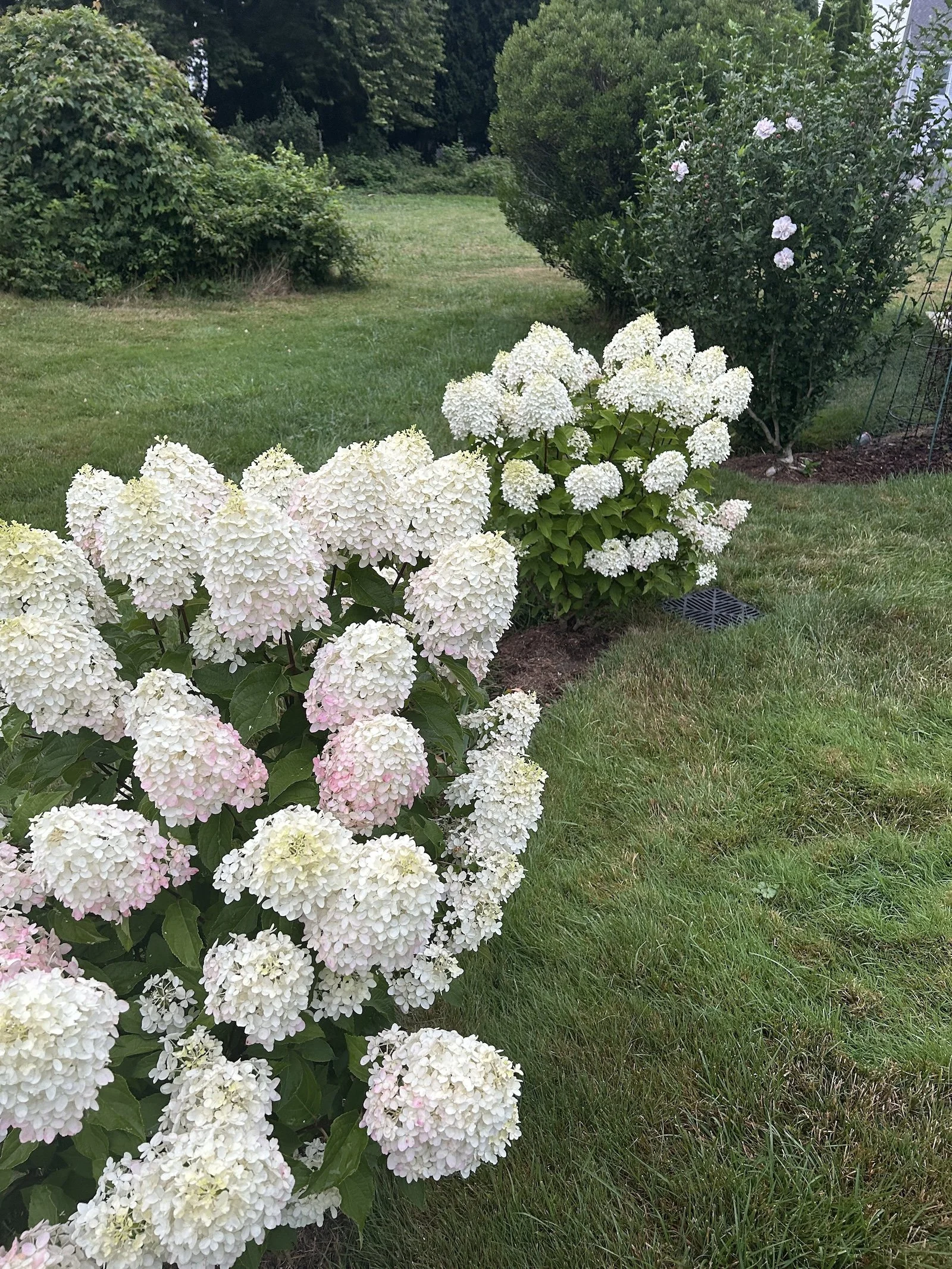
Panicle hydrangeas, like these ‘QuickFire Fab’, are generally less favored by deer, but still sampled in my garden, especially in the wintertime. Photo by Parsley & Petal.
What I’ve learned is that it’s rarely all or nothing. It’s a matter of preference, timing, and what else is available. In a garden with plenty of options, damage might be minimal. In late winter, when food is scarce, almost anything is fair game.
Part of what I’m paying closer attention to this season is not just whether something gets eaten, but which plants are consistently left alone. Reliable deer-resistant plants in my Rhode Island garden include hellebore, daffodils, dianthus, peonies, and catmint, among others.
What I’m Seeing in My Garden
In my garden, where there are perennial favorites like daylilies, roses, and azaleas to snack on as well, I rarely walk out to completely stripped plants or obvious damage overnight.
It’s usually just a simple crime scene of a few snapped branches, some torn off and missing completely, with several half-eaten blossoms strewn across the ground, as if the deer were mocking me.
Certain hydrangeas push forward easily, while others lag. Some stems leaf out normally, while others seem set back, as if they’re recovering from the damage. It’s subtle, but consistent enough that I’ve started to pay closer attention.
There’s also a design layer to it — how placement, structure, and even surrounding plants seem to influence what gets touched and what doesn’t.
This season, I’ve noticed that now that both my neighbors have put up fencing, noticeably fewer deer have wandered through my garden as a whole.
What Actually Helps (and What Doesn’t)
There isn’t a perfect solution, and I’ve stopped expecting one.
In a garden where deer are part of the landscape, it’s less about keeping them out entirely and more about understanding patterns: what they tend to go for, when they’re most active (at dusk), and how the garden responds over time.
Placement helps more than anything. Hydrangeas that are closer to the house, or tucked in among denser plantings, tend to be left alone more often than those sitting out in the open. It’s not a guarantee, but it shifts the odds slightly.
Timing matters too. Late winter and very early spring seem to be when browsing is most likely, before new growth fully takes off and while other food sources are still limited.
I’ll occasionally use deer repellent on the hydrangeas and a spot of inconspicuous netting if it gets bad, which has been rare lately.
Beyond that, I’ve found it’s more about choosing where to focus energy. Some plants are worth protecting. Others, I’m willing to let go a bit. I want to see how they hold up, or whether they recover on their own.
To me, it’s just a part of garden life: paying attention, adjusting where needed, and accepting that not everything will go exactly as planned.
If you’re noticing similar patterns in your garden this season, I’ve pulled together a simple checklist of what to watch for, from early spring timing to what’s worth paying attention to right now in The Seasonal Edit.
The Seasonal Edit
The Seasonal Edit is a recurring garden checklist of what’s emerging, what can wait, and what deserves attention now. Practical tasks. Clear structure. Timed to the season as it unfolds.