
Salvia nemorosa (Woodland Sage)
Plant Spotlight
When the daffodils fade and the garden shifts toward summer, salvia steps in almost immediately.
Upright spires of purple, blue, pink, or white begin shooting above the surrounding foliage just as the garden risks turning into a wash of green.
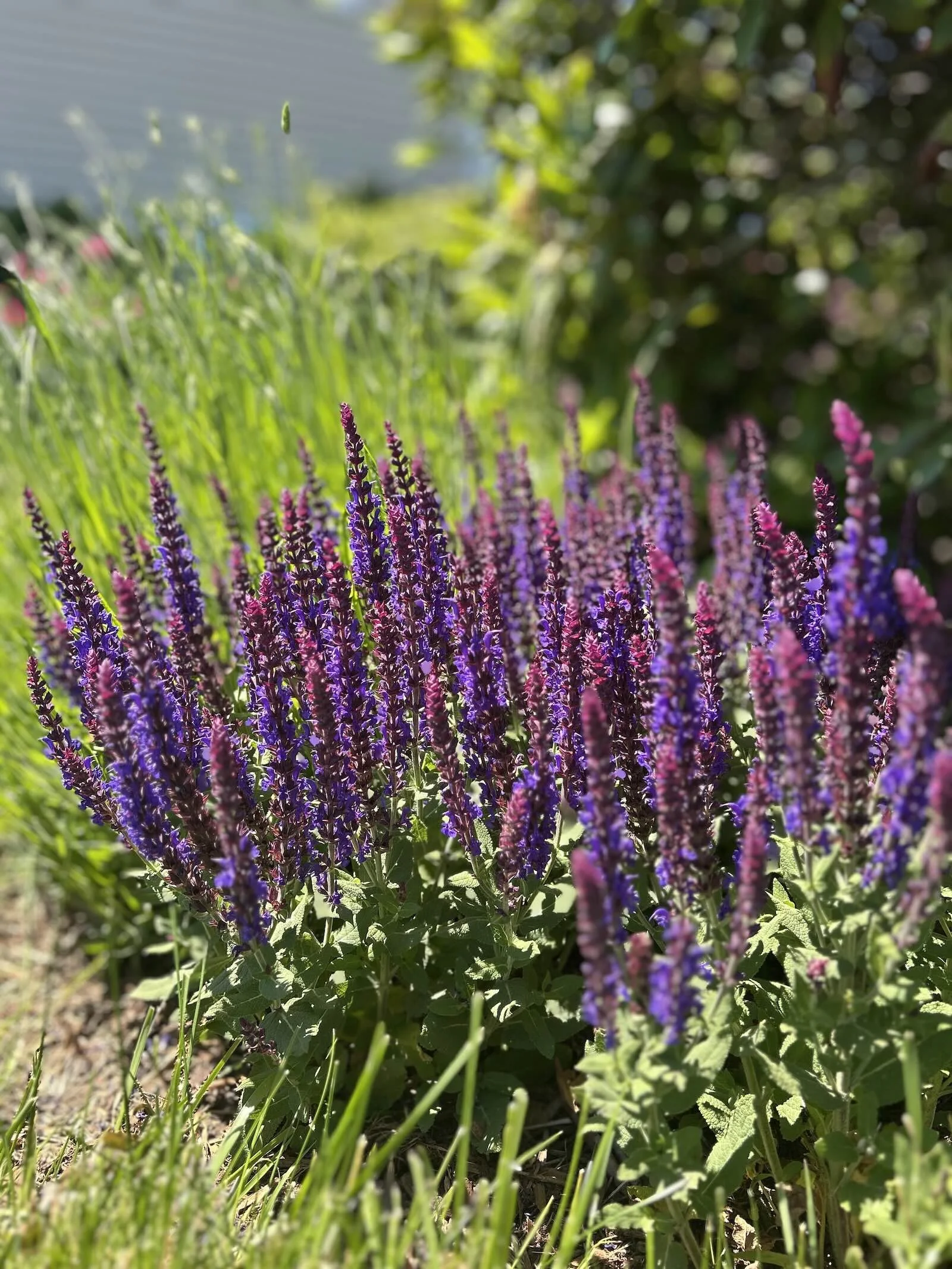
A drift of Salvia nemorosa. All photos by Parsley & Petal.
It’s one of the perennials I rely on most for structure, movement, and repeat color heading into early summer.
Pollinators love it. Mine are frequently visited by bees, butterflies, and even a hummingbird now and then. Deer and rabbits don’t touch it. And once established, it asks for very little in return. Overall, it’s a 10 out of 10.
What is Salvia nemorosa?
Salvia nemorosa—also known as woodland sage, meadow sage, or perennial salvia—is a hardy, sun-loving perennial grown for its upright flower spikes, aromatic foliage, and strong garden structure. It blooms heavily in late spring into early summer, and cutting it back after the first flush can encourage repeat bloom later in the season.
Salvia at a Glance
(In My Garden)
Botanical name
Salvia nemorosa
Common name
Woodland Sage / Meadow Sage / Perennial Salvia
USDA Zones
3-9
Bloom time
Late spring through summer (often reblooming into fall in the Northeast)
Light
Full sun
Deer resistance
High
Rabbit resistance
High
Size
Approximately 18–24 inches high
Shape
Soft mounding perennial
Garden role
Ideal for sunny, drought-tolerant gardens where deer and rabbits are a concern. Adds long seasonal interest and airy vertical movement.

Salvia, fairy roses, and daylilies sunbathing along the gravel path beds in June.
Why I Grow It
Salvia earns its place by doing several jobs at once.
The flower spikes add vertical movement without feeling heavy. The foliage stays relatively tidy. It handles heat better than many spring perennials, and it repeats beautifully throughout beds and borders without overwhelming neighboring plants.
I also love how easily it integrates into a tightly edited palette. Blues and violets cool down brighter summer colors and pair naturally with roses, nepeta, alliums, and soft grasses.
White salvias can anchor areas that might otherwise feel chaotic, giving them a clean, tidy look without looking overly formal, as it does in the Easter Egg Bed garden.
In this garden, it acts almost like a visual bridge between bulb season and peak summer.
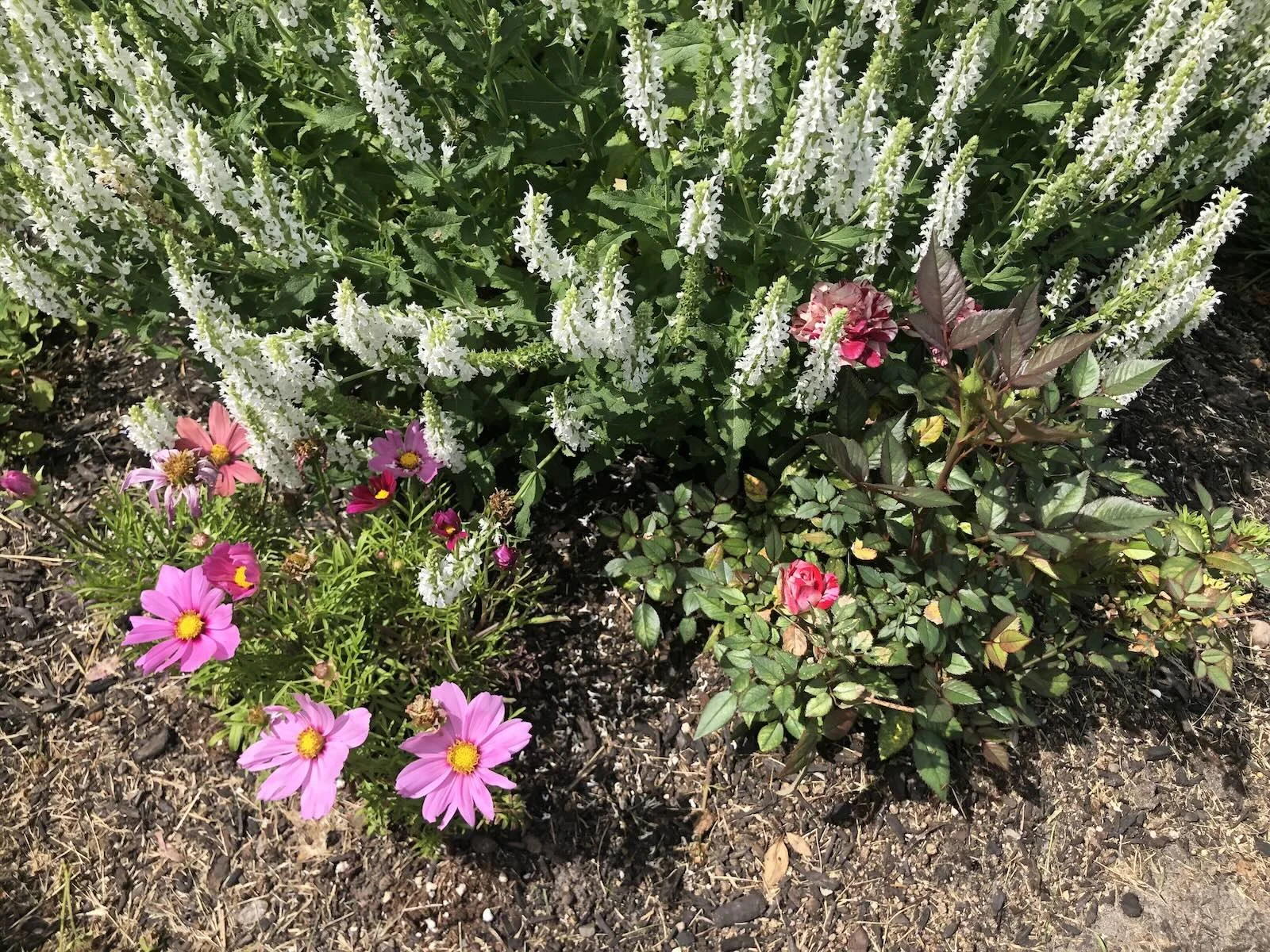
White salvia ‘Snow Hill’ with miniature rose and cosmos.
When Does Salvia nemorosa Bloom?
The first flush usually arrives in late spring, when fresh green growth suddenly sends up dense flower spikes that seem to appear all at once.
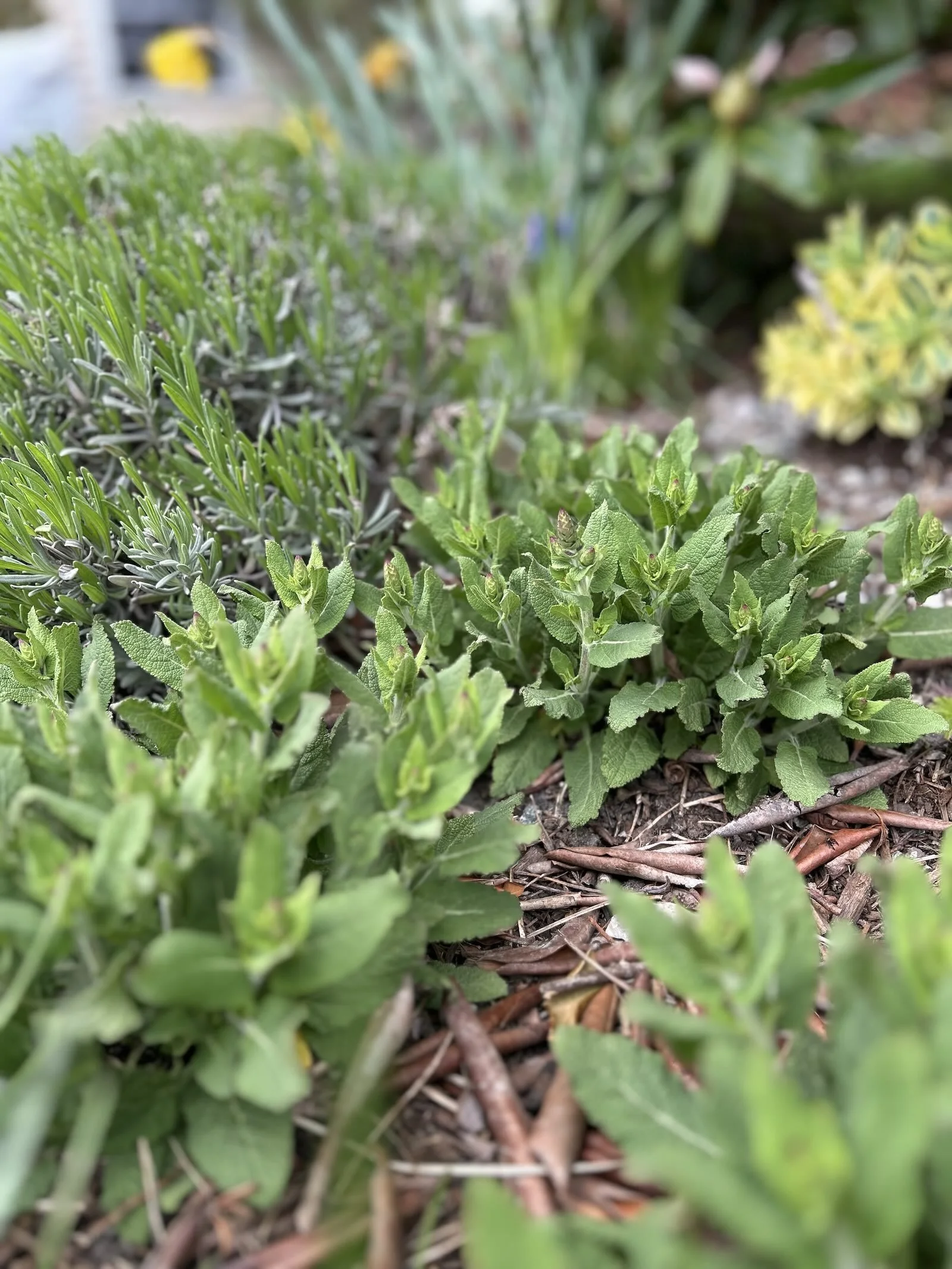
Drift of salvia and lavender in bud.
After blooming, the flowers begin to soften and fade, but the plant rarely looks truly messy for long. A quick shear encourages fresh foliage and a lighter second round of bloom later in the season.
Even between flowering cycles, the upright habit continues contributing structure to the beds.
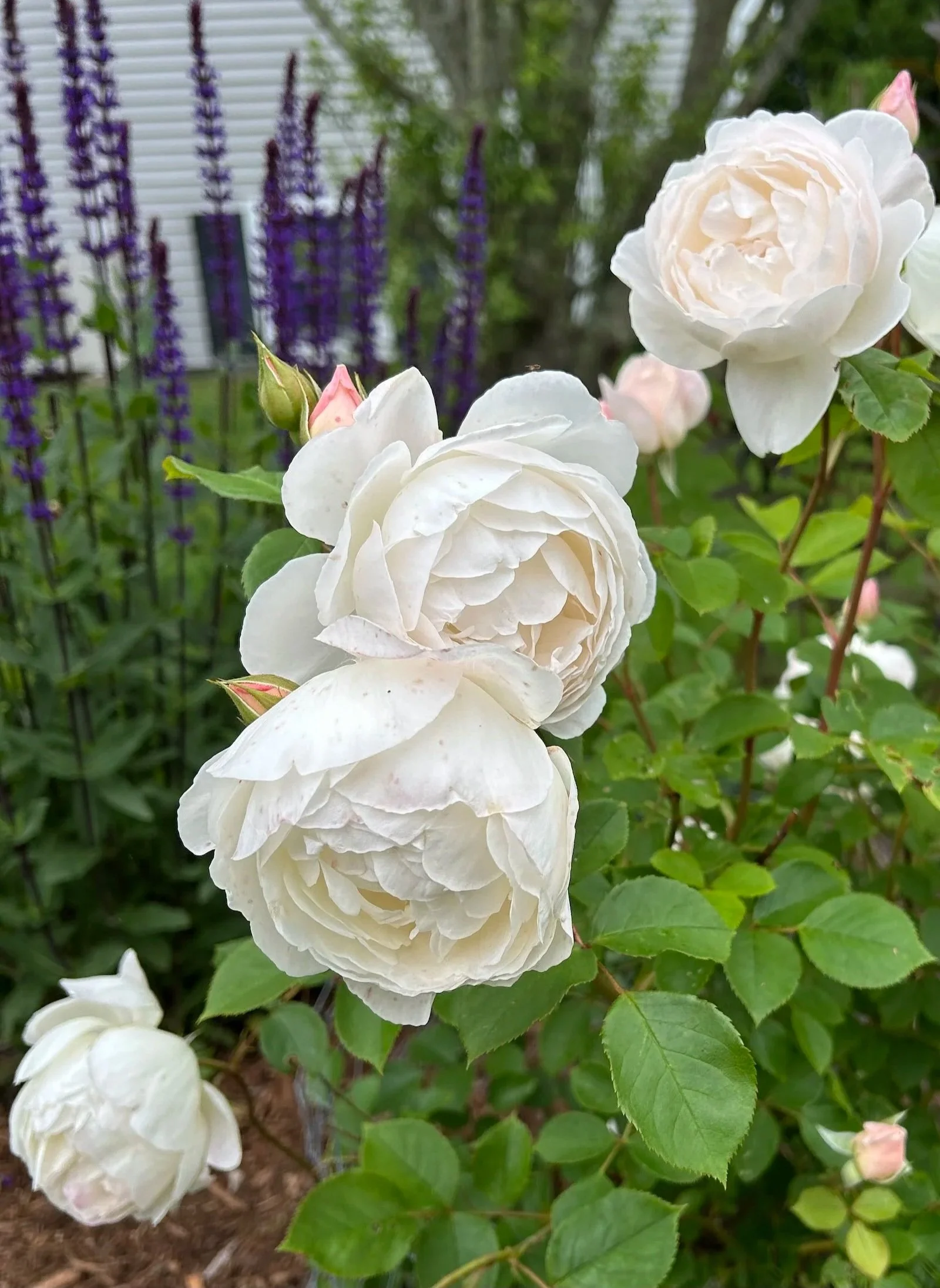
Salvia nemorosa 'Caradonna’ with David Austin ‘Desdemona’ rose.
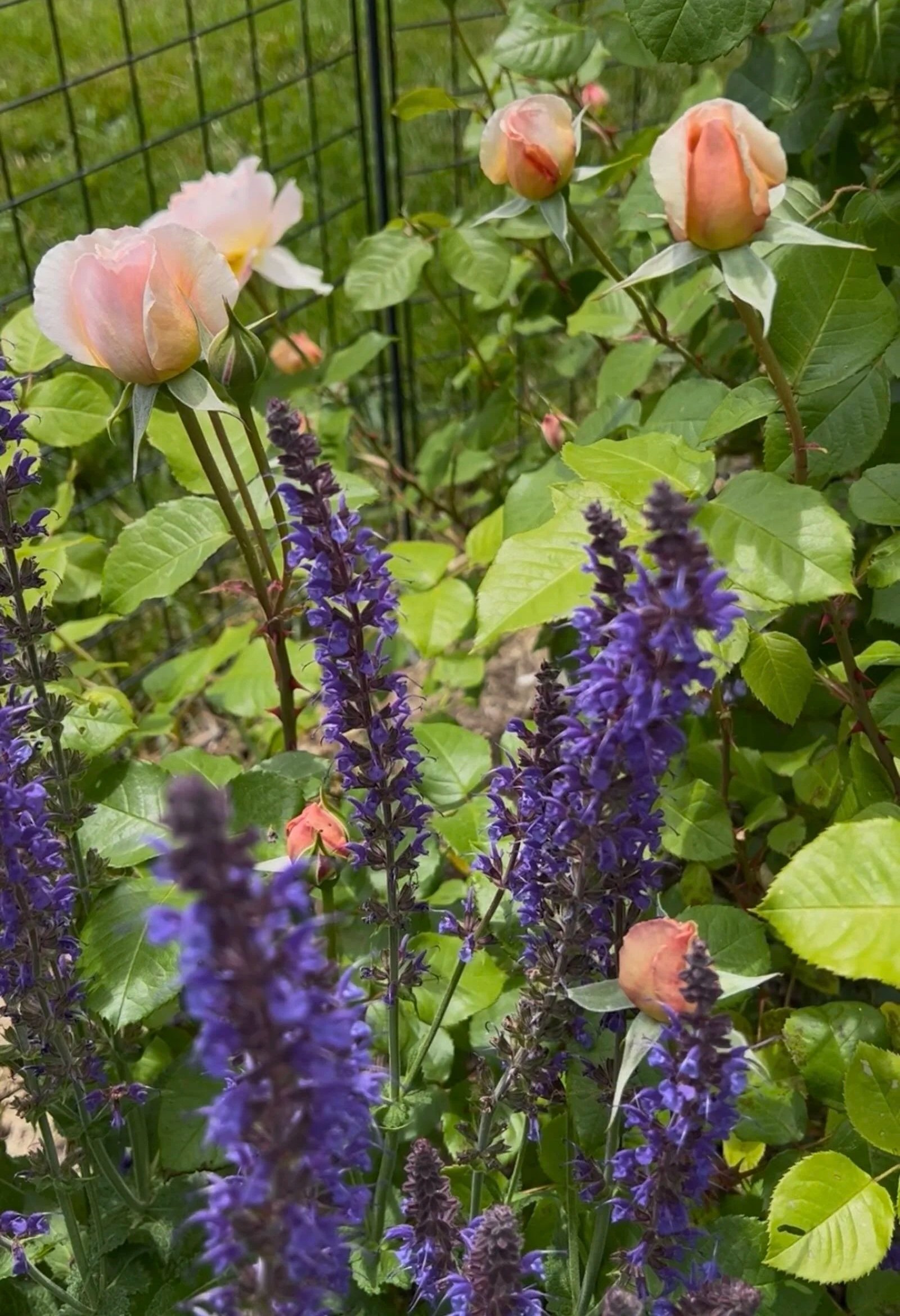
Salvia and ‘Moonlight in Paris’ roses.
How to Cut Back Salvia for Repeat Bloom
One of the easiest ways to keep salvia looking fresh is to cut it back after the first major bloom cycle fades.
Find stalks of spent flower stems and cut them down to the first set of healthy leaves or new side shoots.
I usually shear the spent flower spikes in stages, cutting back the front flowers first, so that the plant is never truly bare. Once the fresh growth begins to fill back in with a round of new growth, within a few weeks, I shear the back.
It can feel aggressive the first time you do it, but salvia responds surprisingly well to being cut back.
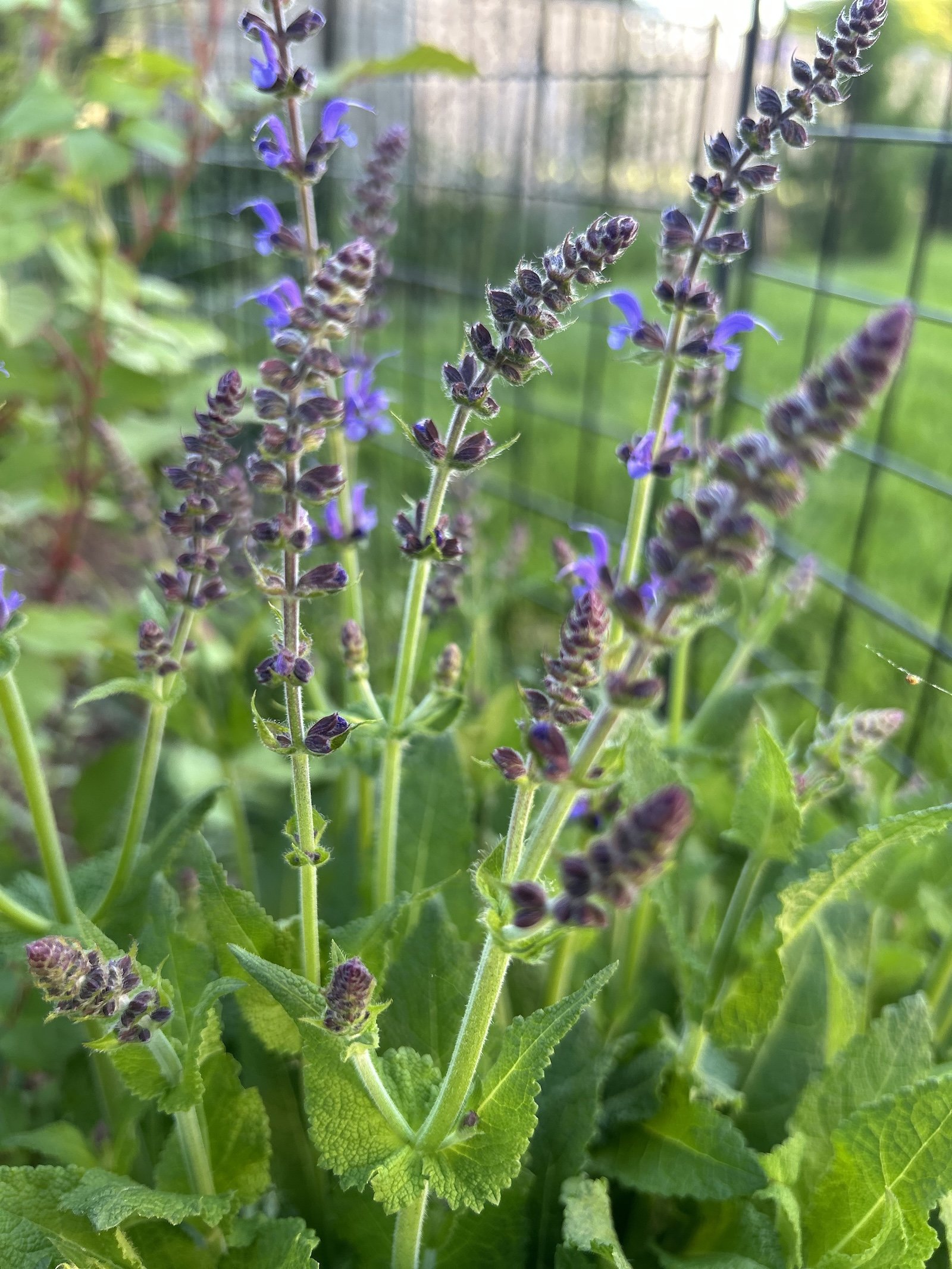
Closeup of salvia flowers.
Sun and Where Salvia nemorosa Grows Best
Salvia nemorosa flowers best in full sun and well-drained soil.
Rather than relying on a single plant, I prefer using it in drifts that move through the beds and echo color across the garden. The vertical flower spikes help break up mounded forms like nepeta, lavender, and fairy rose bushes while still feeling loose and natural.
I adore compact Meadow Sage varieties like ‘May Night,’ as well as the dark purple tall ‘Caradonna’ variety, and ‘Snow Hill’ white salvia.
It’s especially effective in:
Cottage-style borders
Gravel or dry gardens
Pollinator plantings
Rose pairings
Sunny foundation beds.
Some plants demand attention. Salvia earns its place more quietly.
It arrives right as the garden needs renewed structure and color, handles difficult summer conditions with very little fuss, and continues carrying the season forward long after many spring bloomers have faded.
Continue Reading