
The Seasonal Edit: June/July — High Summer Garden Checklist
When the Garden Crosses Into Summer
Everything is happening at once now.
The nurseries are overflowing with annuals, perennials, and shrubs. I brought home a dappled willow, a Bobo hydrangea, and a few other additions to begin planting for the season, a little later than usual this year, if I’m being honest.
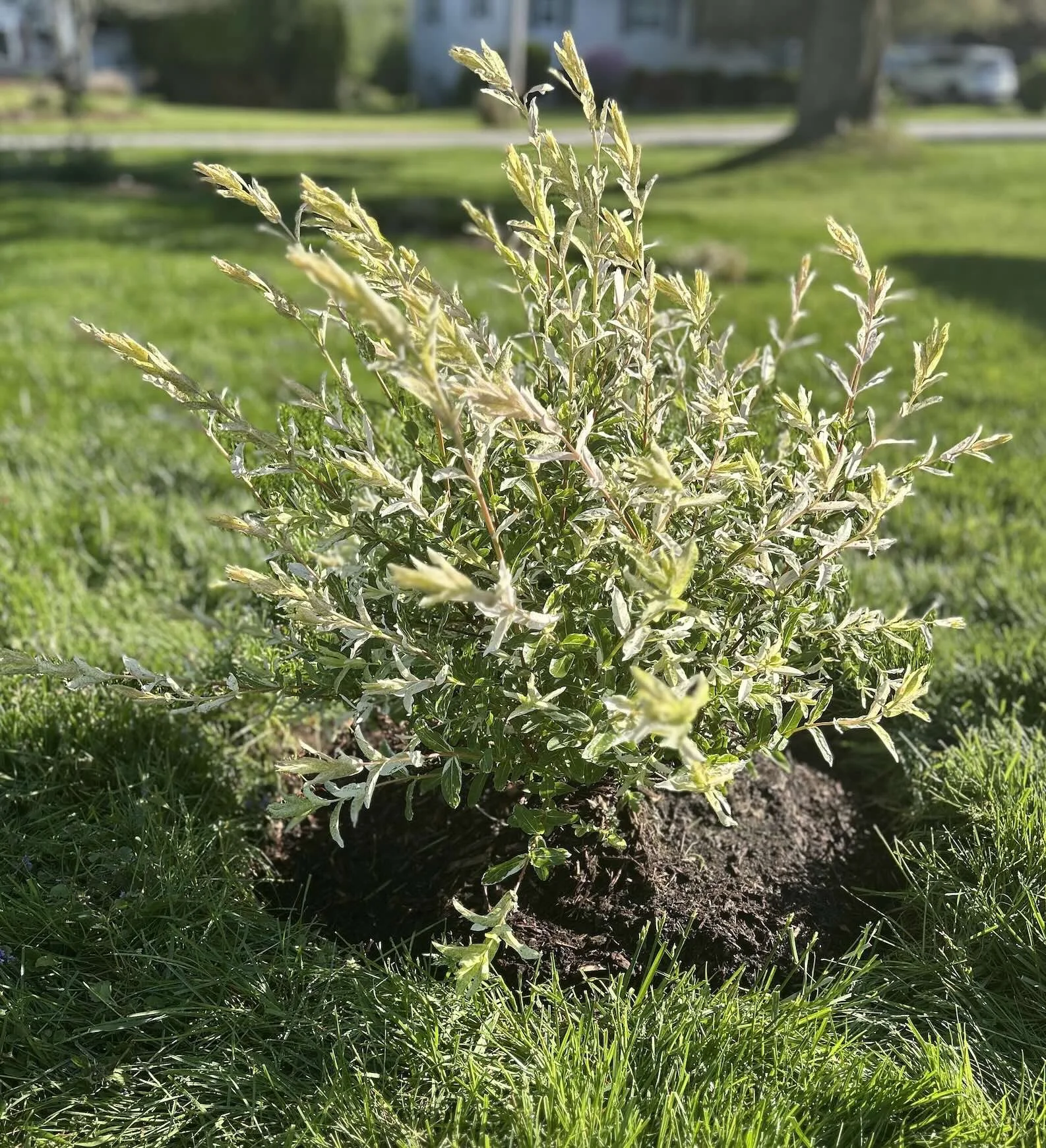
Newly planted Japanese Dappled Willow (Salix integra 'Hakuro Nishiki'), beginning its first season in the garden. All photos by Parsley and Petal.
The seasonal to-do list keeps expanding daily. Sprinklers need to be turned on. Outdoor showers need to be opened. Furniture finally goes back outside again. The weeds have overtaken the gravel driveway, and the containers are only just starting to make sense.
Roses have finally been fertilized, again, a little late, and now the aphids have arrived. Peonies are beginning to bud, though a few underperforming ones may need replacing after years of too many second chances.
I’ve spent the last few weeks moving perennials that had outgrown their space or never felt quite right where they were, including my Eden climbing rose. The garden is finally beginning to feel like it’s settling into itself.
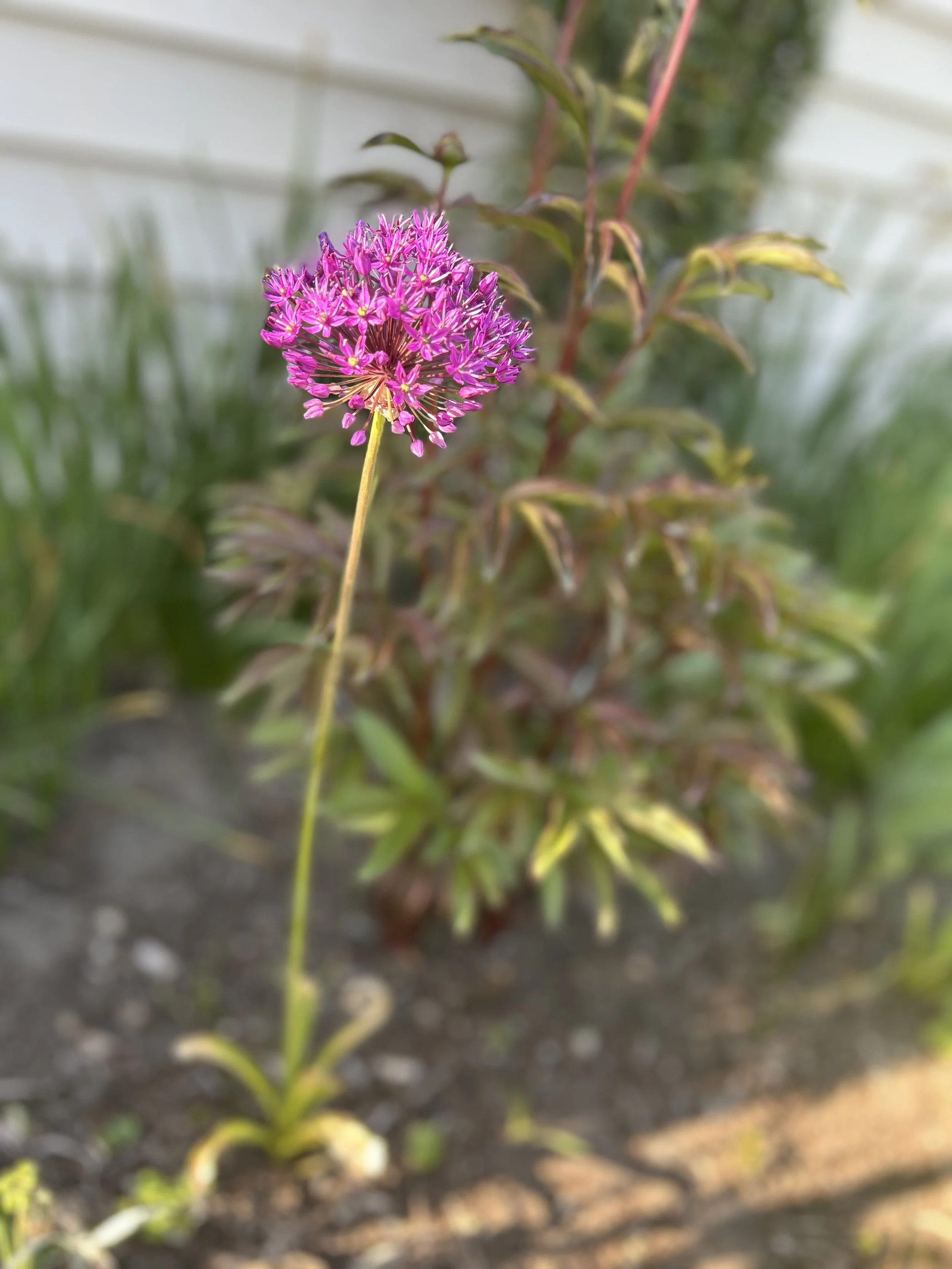
Allium and a peony that may finally be out of second chances.
And now it’s time to mulch.
This may be the last year I handle it all myself. Between the edging, hydrangea pruning, dappled willow shaping, and blue spruce maintenance, the garden has grown too large for one person to manage comfortably.
By now, the structure of the garden is mostly set, even if parts of it still feel unfinished. Maintenance quietly replaces anticipation, and the landscape begins asking different questions than it did in spring.
For a clear plan to follow as the season changes, I’ve created The Seasonal Edit, a recurring, printable checklist that follows the garden as it unfolds.
This post contains affiliate links. If you purchase through these links, I may earn a small commission at no additional cost to you. As an Amazon Associate, I earn from qualifying purchases. I only recommend tools I genuinely use and love.
This checklist is designed for June/July in the Northeast, where summer heat begins stressing even well-established gardens, and timing matters more than perfection.
It reflects how the summers actually unfold here, not by calendar dates, but by environmental conditions.
If You Only Do Three Things This Month
If time is limited, focus on:
1. Finish the garden framework. Define, edge, and mulch remaining beds, supporting any young plants before growth explodes, weeding as you go. For serious sessions, I use the DeWit Diamond Hoe.
2. Plant for July, not June. Think ahead to what will still look good once spring fades. Plants like salvia, catmint, and cranesbill geraniums provide a long season of interest in my Rhode Island garden.
3. Watch what plants are thriving without help, including drought-tolerant and deer and rabbit-resistant varieties. It’s nice to keep plants you truly love, but it’s even better when they can take care of themselves.
Everything else is secondary.
What to do in the Garden in June/July
1. Containers & Watering
Containers are finally entering their main season once nighttime temperatures settle in the 50s.
Continue planting warm-season annuals and tropicals.
Keep up with deadheading. Roses, annuals, and repeat bloomers respond quickly this time of year, and a few minutes here and there keeps the garden looking intentional instead of tired.
Use a soil moisture meter like this one to monitor containers closely as temperatures rise and soil dries faster.
Group thirsty containers together to simplify watering.
Herbs like thyme, rosemary, and tarragon prefer sharper drainage once humidity arrives.
Direct sow beans once the soil has warmed consistently.
In My Garden Right Now
From The Test Garden:
Cosmos
Irish poet tassel flower
Verbena bonariensis ‘Vanity’
Parsley
‘Sugar Daddy’ Peas
‘Spring’ Broccoli Raab
‘Bush Blue Lake’ beans
From the nursery:
Thyme
Tarragon
Rosemary
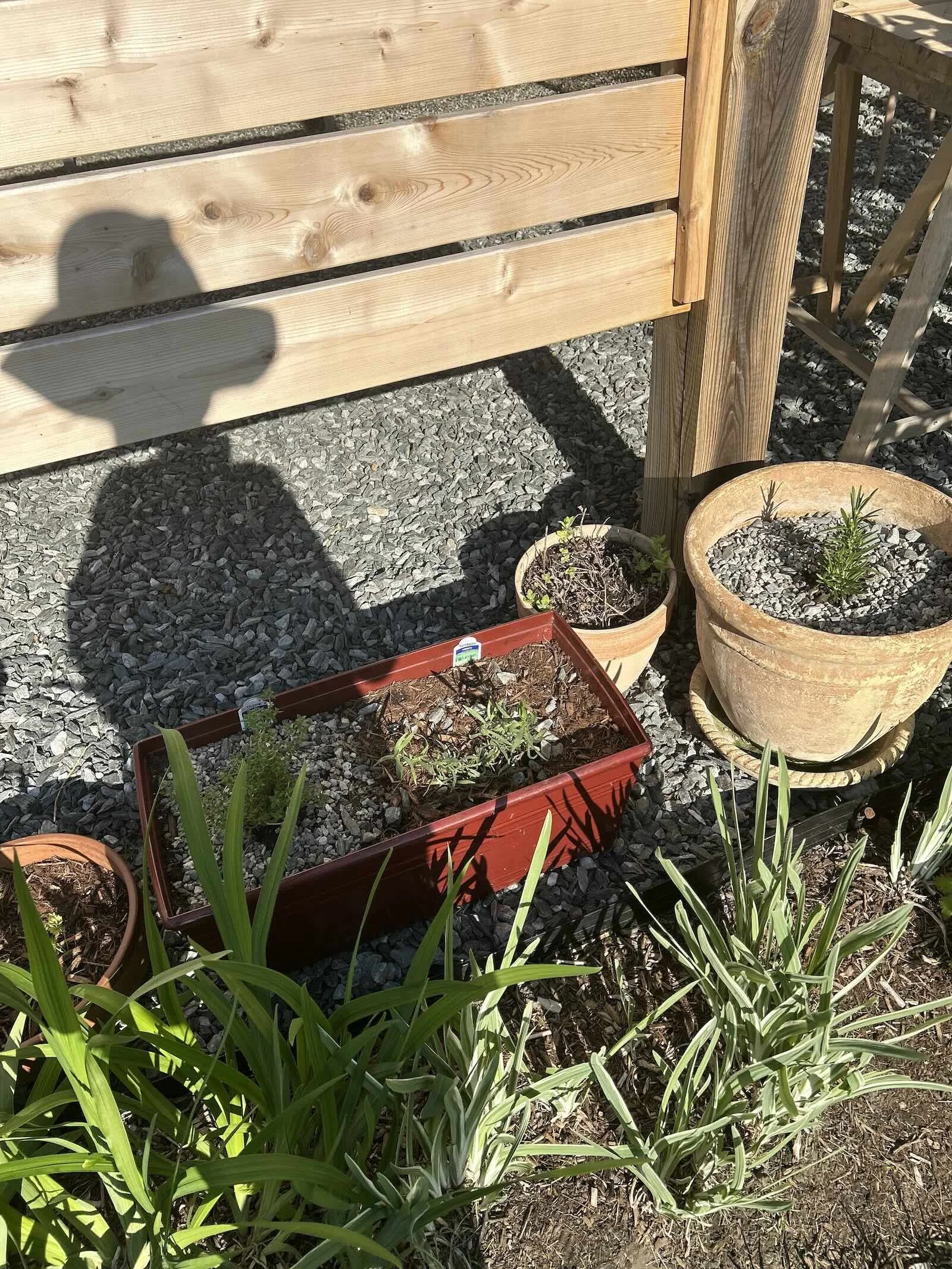
Herb containers with parsley, thyme, tarragon, lemon mint, and rosemary.
2. Roses & Climbers
By now, winter damage is fully visible, and roses are actively flushing new growth.
Prune any remaining winter dieback.
Feed roses and clematis with compost and fertilizer.
Tie in climbing roses and clematis before growth hardens.
Deadhead roses, pruning early-blooming roses back to just above a leaf with five leaflets.
Watch for aphids and other early pest activity. Spray with blasts of water from a hose or squash by hand while wearing gloves.
For tougher infestations, use Neem Oil/horticultural spray.
I fertilize most of my roses with Osmocote for long-term feeding, while others receive Rose-Tone throughout the growing season. I follow a similar routine with my clematis, most of which are Group 2 and 3.
3. Lawn & Watering
We follow the holiday schedule for Northeast lawn care in our garden.
Around Memorial Day, apply a balanced slow-release fertilizer to encourage deep roots before summer heat stress arrives.
Continue mowing high as temperatures rise.
Avoid removing more than one-third of the grass blade height at a time.
Water deeply rather than shallowly, aiming for about one inch of water weekly.
Around Independence Day, apply a lighter organic feeding if the lawn still looks actively healthy and green.
4. Vegetables & Herbs
Cool-season crops are still producing now, while warm-season vegetables are finally safe to direct sow.
Late May to June is when I will be planting tomatoes, cucumbers, and vegetables that love summer heat.
Succession sow parsley through early summer.
Harvest peas regularly to extend production.
Direct sow beans once soil temperatures warm.
Watch leafy greens and herbs for bolting as temperatures rise.
Improve drainage around Mediterranean herbs before humid weather settles in.
5. Propagate Cuttings
Take cuttings of plants that have benefited from the “Chelsea Chop,” named after the RHS’s Chelsea Flower Show, which occurs in late May, like asters, sedum ‘Autumn Joy’ or ‘Autumn Fire,’ and catmint (Nepeta), among others.
I like to propagate cuttings after pruning my dappled willow, hydrangeas, salvias, and lavender as well.
By June, the garden has fully entered its growing season. Watering, weeding, staking, deadheading, and pest management quietly replace the anticipation of spring.
The garden is always a work in progress, but the structure is mostly in place, for now.
Some plants are finally beginning to prove themselves. Others reveal they were never quite right for the space. Containers settle in.
Morning coffee surveying the mulch pile turns into evening apéritifs, enjoying the vanilla-lemon scent of my favorite Austin roses on the deck.
And somewhere between locating my lost pruners for the hundredth time, the watering, and the constant temptation of one more nursery visit, the garden becomes less like a project and more like the life you’ve designed yourself to live.
In addition to all that is happening outdoors, I’ve been working on a small test garden this year, growing a few things from seed. You can follow my progress in the series, The Test Garden: A Season of Growing from Seed
Get the printableGet The Seasonal Edit checklist to keep by your potting bench.
The Seasonal Edit
A growing collection of seasonal notes, observations, and printable checklists throughout the garden year.
Continue Reading