
The Seasonal Edit: May — Late Spring Garden Checklist
Planting Season Begins
There was a day last week when it felt like May had arrived.
The sun was out, temperatures had climbed into the 70s, and for a moment, it felt safe to begin. I started pulling winterized containers out of the shed, placing them back into the garden as if the season had already settled in.
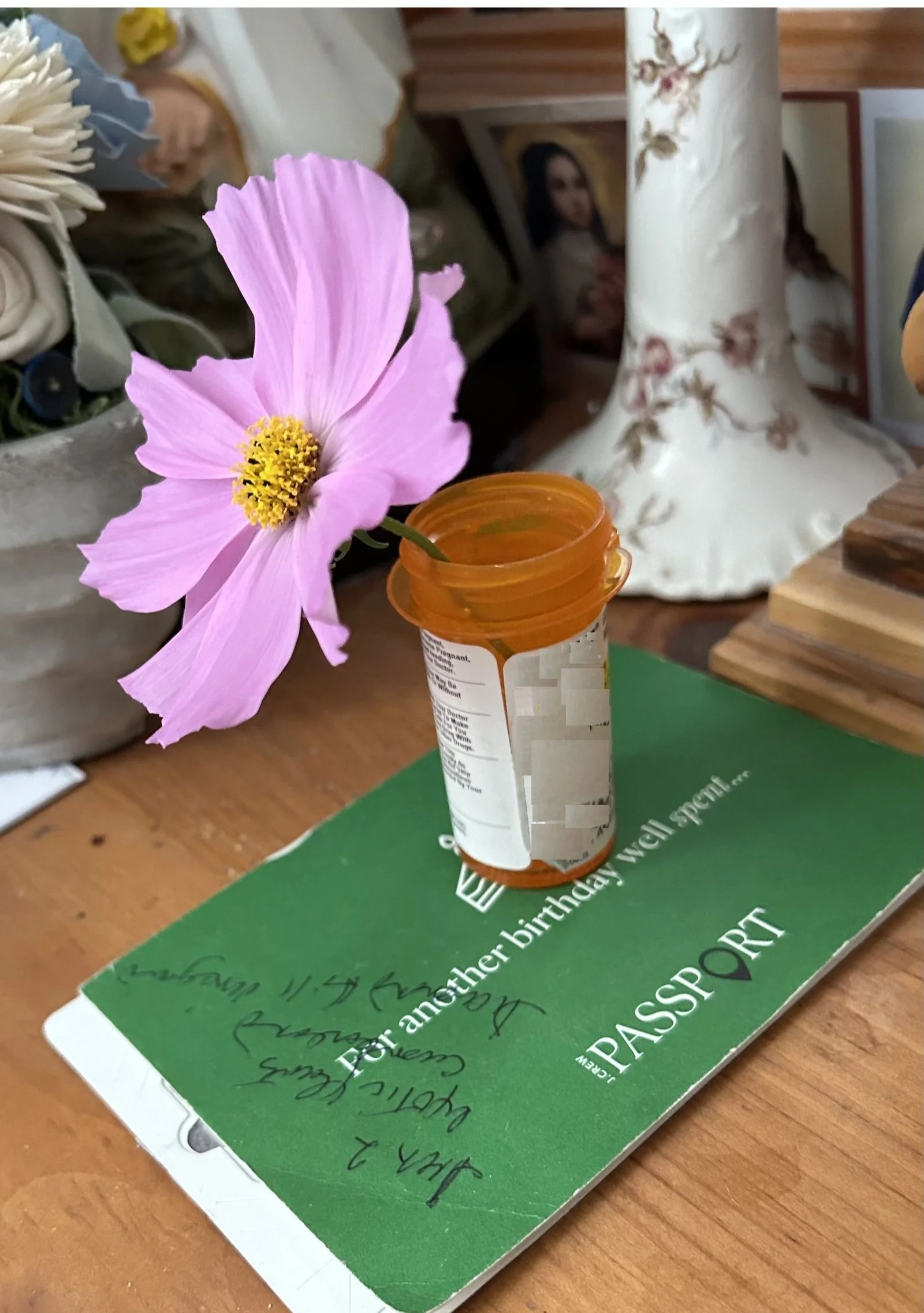
A cosmos from the nursery, in a prescription bottle, on Mom’s dresser. She’s been gardening since she could walk. Photo by Parsley & Petal.
But a few days later, it was 41 degrees, with a RealFeel closer to the 30s. Typical New England. This is how I approach May in a coastal Rhode Island garden, where spring arrives in fits and starts, and timing matters more than intention.
Even so, the shift is happening. The lawn is greening, daffodils are beginning to push through, and the first signs of spring are no longer tentative—they’re steady. The pots are out now, and they’ll stay where they are.
In just a few weeks, planting will begin.
If you want a clear plan to follow as the season changes, I’ve created The Seasonal Edit, a recurring, printable checklist that follows the garden as it unfolds.
This checklist is designed for May in the Northeast, where the garden may be ready, but the weather may not always cooperate.
It reflects how the season actually unfolds here, not by calendar dates, but by garden conditions.
If You Only Do Three Things This Month
If time is limited, focus on:
Bring pots out of storage and refresh the soil. Reuse what you can, and amend with compost so containers are ready before planting begins.
Visit the nurseries and gather what you need before the season accelerates. Choose intentionally. This is the moment to prepare.
Begin planting once nights feel consistently settled. Waiting matters more than starting early.
Everything else is secondary.
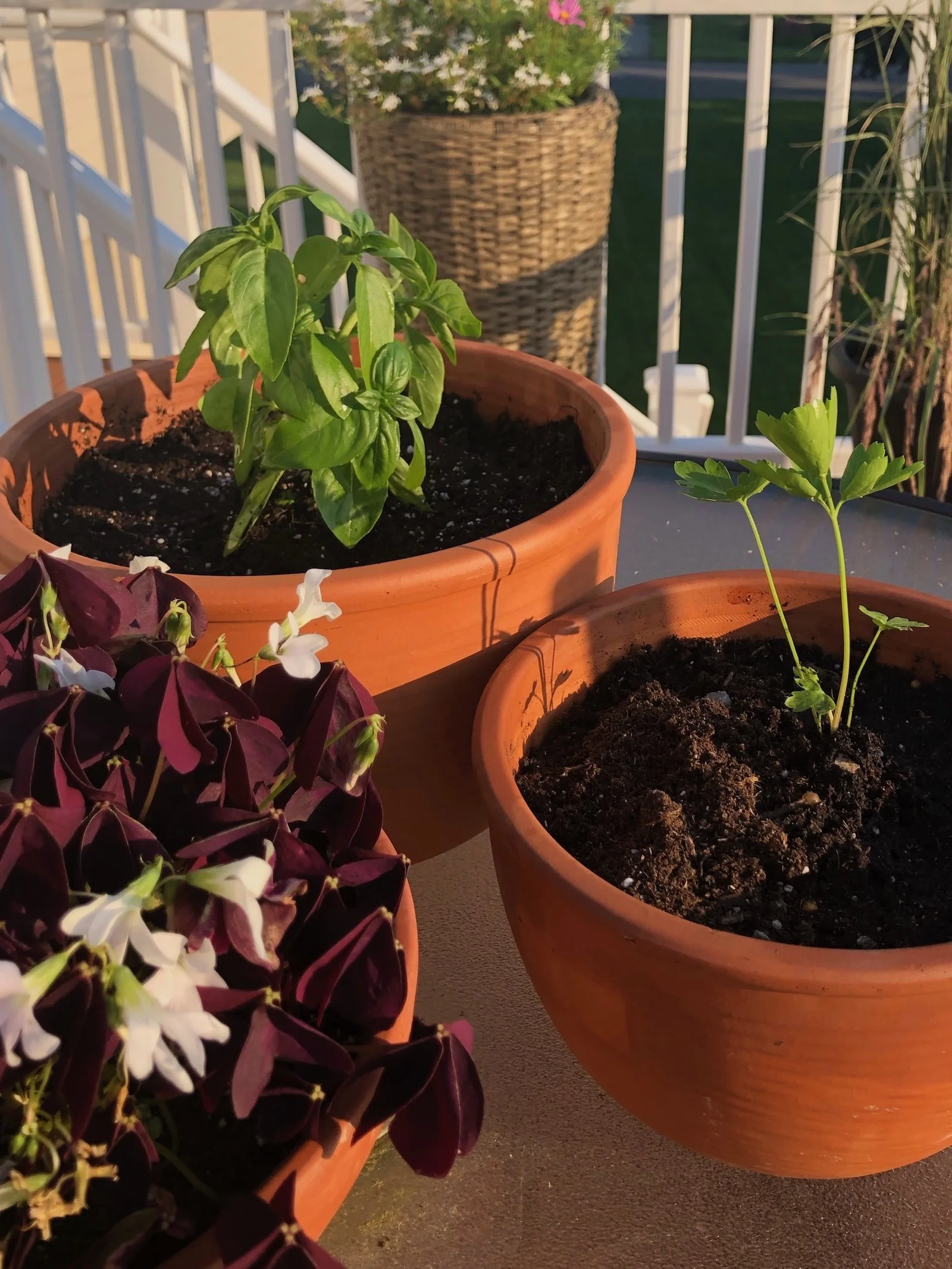
Parsley & Petal
What to Do in Your Garden in May
1. Containers & Soil
Bring pots out of storage and assess condition
Clean if needed and refresh soil
Reuse what you can and amend with compost
Group and stage containers so they’re ready when planting begins
By Mother’s Day, everything is in place, so planting can happen all at once, when the timing is right.
2. The Nursery Ritual
Begin nursery visits in late April
Start here:
Cosmos
A few reliable annuals (zinnias, marigolds)
One or two herbs (basil, parsley, thyme)
Cosmos are where I always begin, something my mom and I pick up each spring while doing the usual rounds at our favorite nurseries, the same planting ritual behind The Easter Egg Bed.
Build containers with a mix of structure + softness:
Calibrachoa or Wave Petunias
Alyssum
Euphorbia
Dusty Miller
Sweet potato vine or Dichondra ‘Silver Falls’
Add movement and texture later:
Gaura
Dusty Miller
Coleus
Heuchera
This year, I’m leaning into more scented planting:
Angelonia
Lavender
Scented pelargoniums
I’m also adding one or two herbs, partly for scent, and partly in the hope they deter deer and rabbits:
Basil
Thyme
Rosemary
For ideas on choosing deer and rabbit-resistant perennials that actually survive in a Northeast garden like mine, I write about it here.
This is less about doing everything at once and more about gathering what you’ll need before the selections at nurseries begin to narrow.
3. Planting & Timing
Do not rush planting; wait for consistently mild nights
Use Mother’s Day as a guide, not a rule
Watch for cold snaps and adjust accordingly
Check the forecast before committing
Weed beds as you go; pull what you see while everything is still small and manageable
Edge and mulch beds (2–3" brown pine bark) to:
- conserve moisture
- suppress weeds
- improve soil over time
- provide a clean canvas for plantings
- apply pre-emergent (Preen), if using
If you follow a holiday schedule for cool-season lawns in the Northeast, I usually apply fertilizer around Memorial Day to prepare for summer heat stress.
The Late Spring Seasonal Edit
Early spring carries a subtle promise. Not in what’s fully formed, but in what’s beginning—in the soil warming, in the first decisions, in the return to the garden after winter’s pause.
Perennials and grasses have been cut back. Roses, clematis, and hydrangeas have already been pruned. Minor winter damage has been addressed. The lawn is established, and the garden is cleared and ready.
By late spring, the season is already in motion, and most of the structural work is already done.
It’s a season of beginning again, whether you planned to or not.
Alongside everything outdoors, I’m also working on a small test garden this year, growing a few things from seed. I’ll be sharing more of what takes hold in an upcoming series, The Test Garden: A Season of Growing from Seed
Get the printableGet The Seasonal Edit checklist to keep by your potting bench.
The Seasonal Edit
A growing collection of seasonal notes, observations, and printable checklists throughout the garden year.
Continue Reading