
The Places We Return To
There are some paintings I visit every time I go to the Museum of Fine Arts in Boston.
Not because they're the most famous. Not because I discover something new each time. I return for the same reason people revisit childhood homes, old schools, family reunions, or the tree that stood in the front yard for generations. They become part of the landscape of our lives.
For me, it's John Singer Sargent's The Daughters of Edward Darley Boit.
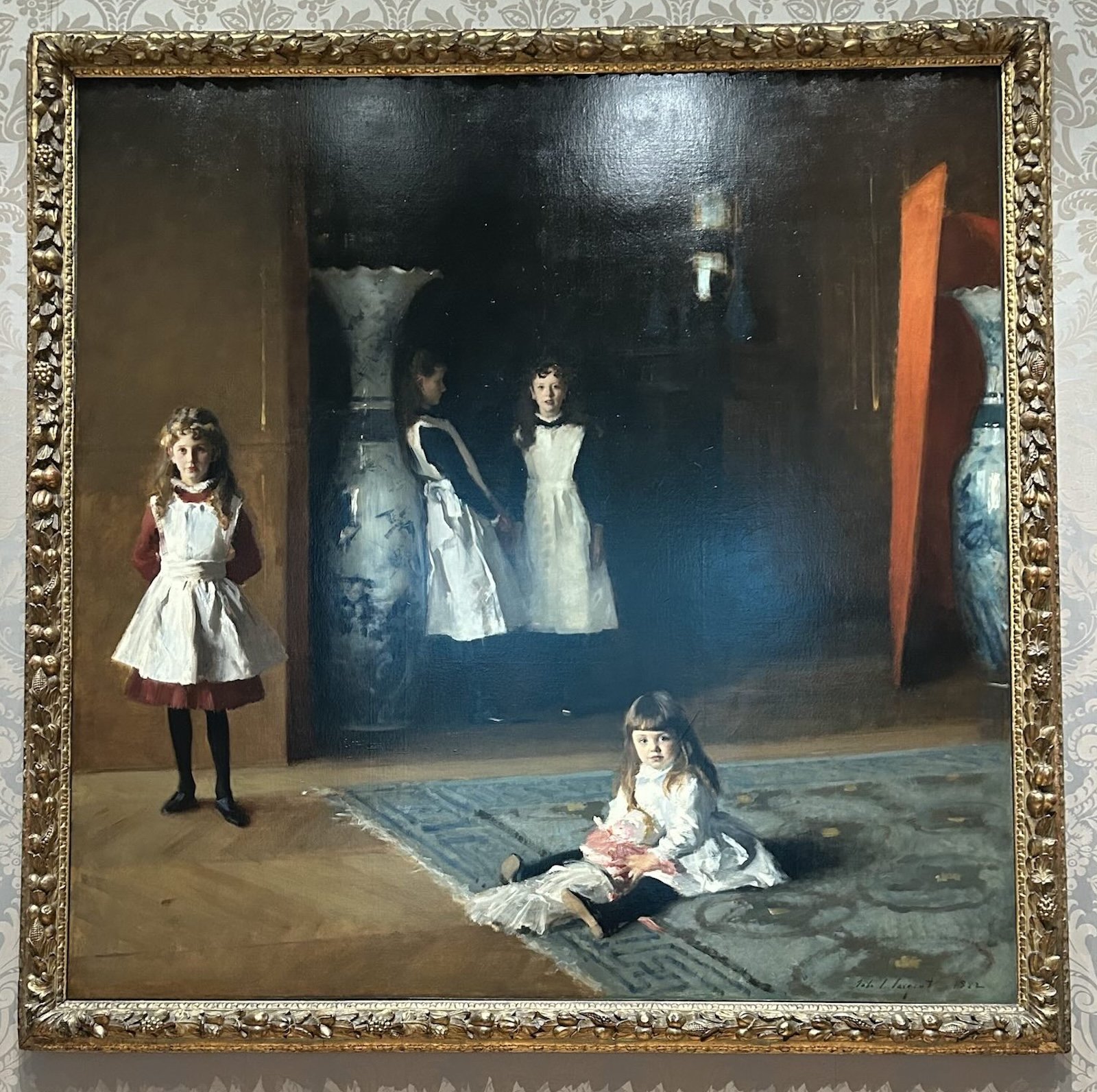
John Singer Sargent, ‘The Daughters of Edward Darley Boit’ (1882). Oil on canvas. Located at the Museum of Fine Arts, Boston. All photos by Parsley & Petal.
Ever since I was a young girl, I've felt drawn to the child facing off to the side, almost pouting, her face hidden from view. I always thought I recognized something of myself in her.
Over the years, I carried a reproduction of the painting from one inspiration board to another, through different homes, apartments, workplaces, and stages of life, never stopping to ask why.
Last weekend, I finally did.
I had gone to the Museum of Fine Arts to see Framing Nature: Gardens and Imagination, an exhibition exploring how gardens have inspired artists across centuries. As someone who has always been drawn to art, fashion, and design, I felt right at home wandering through the museum's remarkable global collection.
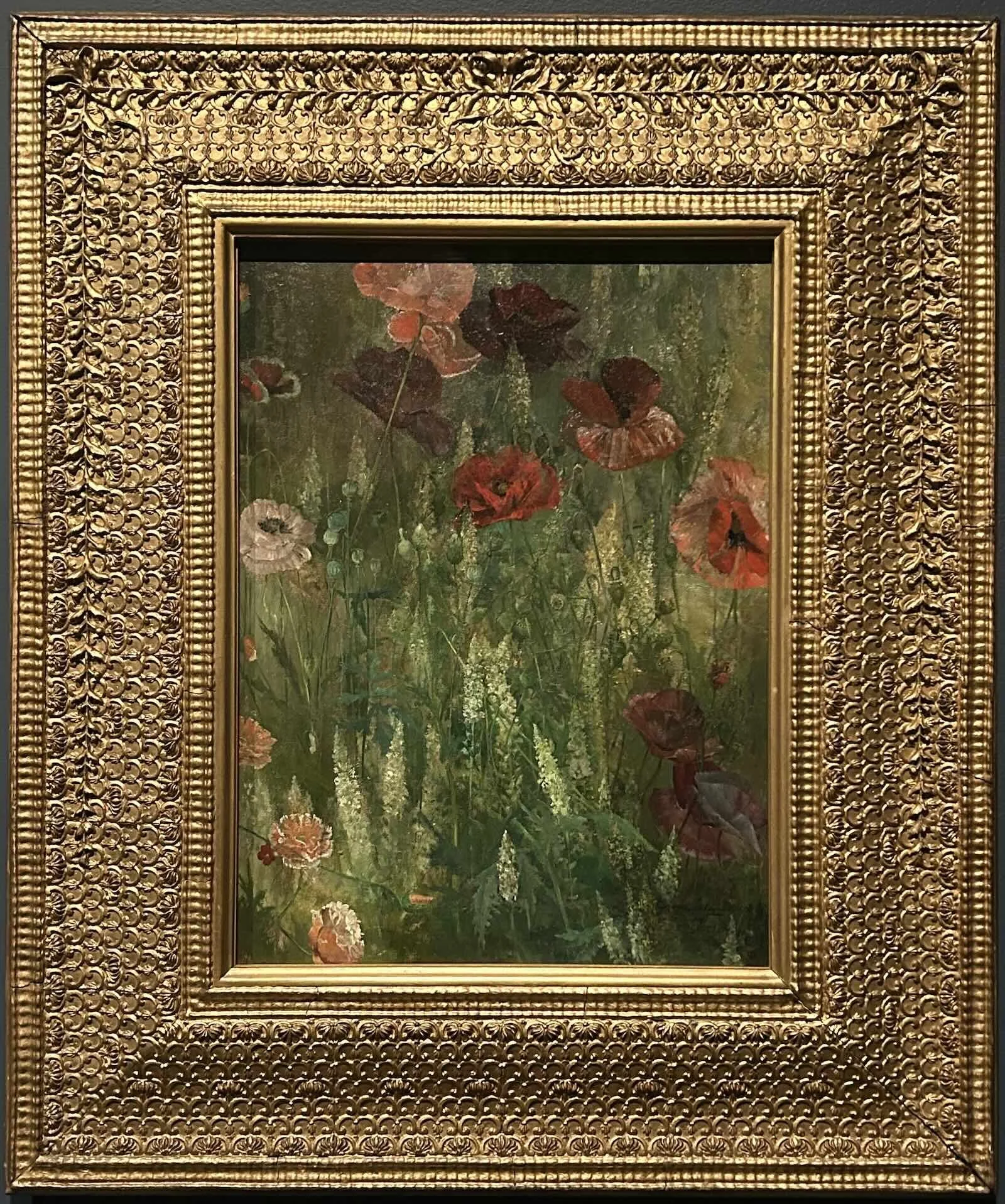
Maria Richards Oakey Dewey, ‘Poppies and Italian Mignonette’ (1891). Oil on Canvas. Located at the Museum of Fine Arts, Boston.
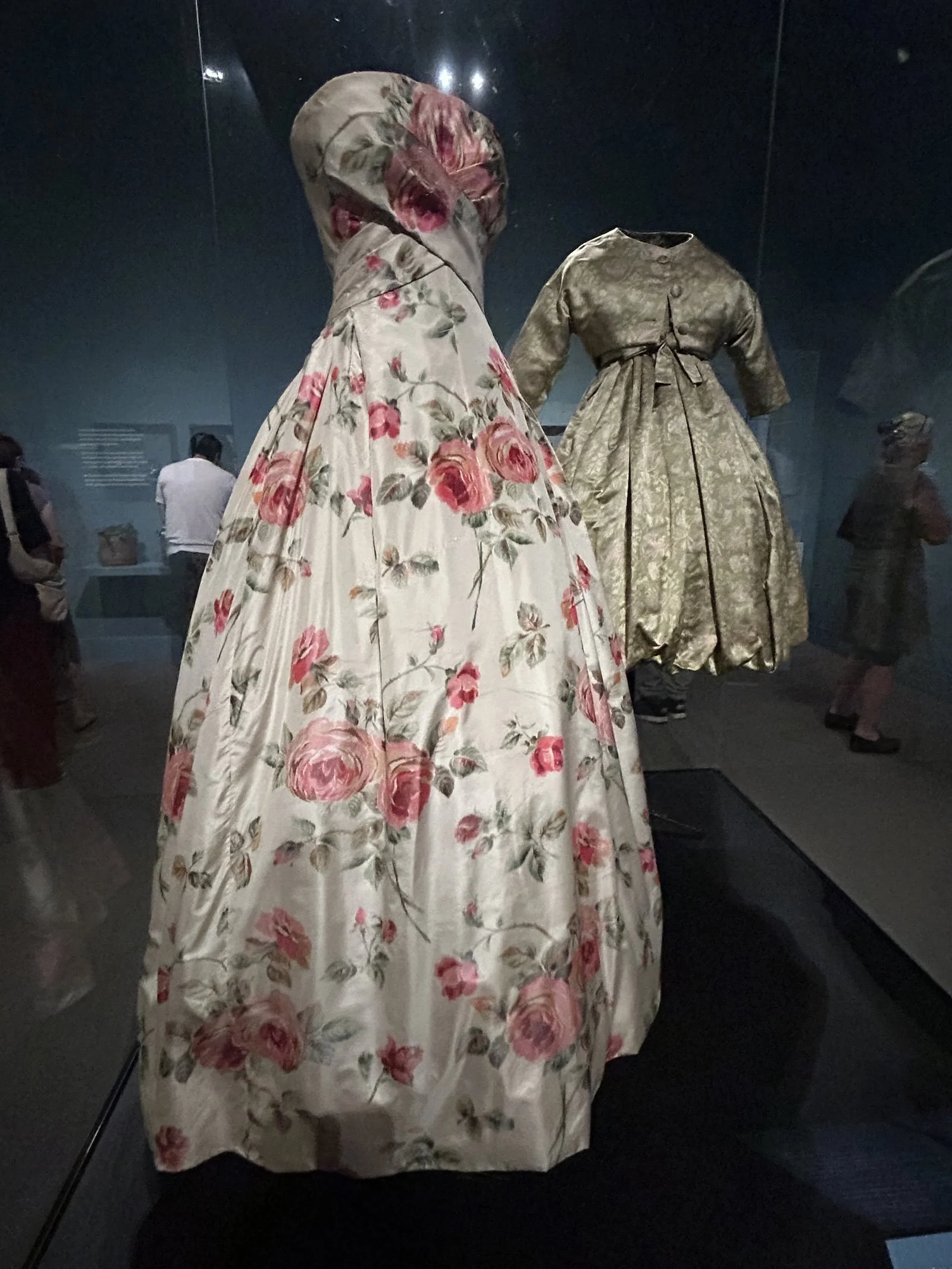
From left to right: Evening Dress, Silk, plain weave, 1956, Designed by Christian Dior. Day Dress, Silk, 1958. Designed by Yves Saint Laurent for House of Christian Dior. Located at the Museum of Fine Arts, Boston.
The exhibit itself was beautiful, but somewhere between those galleries and the permanent collection I always seem to wander back to, I realized I wasn't simply visiting a painting.
I was checking in on a younger version of myself.
I'd always assumed I loved The Daughters of Edward Darley Boit because I identified with the girl leaning against the vase in the shadows. The rebellious one who wouldn’t pose for the portrait. The one who seemed to exist in her own world. Standing there, though, I realized I wasn't returning to admire the painting anymore.
I was returning to visit her.
A writer once observed that some paintings require repeat visits not because the painting changes, but because we do. Reading those words, I realized I had been carrying this image with me for decades without ever asking myself why.
The exhibit was about the ways nature inspires artists. I left thinking about something else entirely.
Paintings. Gardens. Childhood homes. Schools. Reunions. Favorite trees.
Over time, they all begin to serve the same purpose.
They bear witness.
A few weeks ago, I attended my college reunion. One of my classmates, now a writer, remarked that by our thirtieth reunion, nearly everyone will arrive carrying a story of survival, a divorce, the loss of a parent, a career that unexpectedly changed course, an illness they never imagined facing. Yet people keep coming back. They laugh. They cry. They tell the stories only old friends understand because those friends remember who they were before life happened.
Perhaps that's why we become so attached to certain places.
They remain while we continue becoming ourselves.
We bear witness to their history, and they bear witness to ours.
As gardeners, we understand this instinct better than most. We return to the same paths, the same borders, the same trees, season after season. We celebrate first blooms, grieve losses, and watch young plants become old companions. The garden isn't simply changing around us. We are changing alongside it.
Maybe that's why I keep returning to that young girl in Sargent's painting.
Not to see whether she's changed.
She hasn't.
I have.
And every so often, it's worth checking in on the person she reminds me I used to be.
You can find more seasonal notes and garden observations in The Seasonal Edit.
Continue Reading