
How the Rose Garden Room Was Born
My first roses were beginner-friendly varieties, including a trio of red Knock Out roses from my mother. Then I discovered David Austin roses.
The first variety that caught my eye was the ‘Alnwick' rose. My mom and I were shopping at our favorite nursery when I spotted them. They looked just like peonies, so I brought home a pair. Her treat. How could I resist?
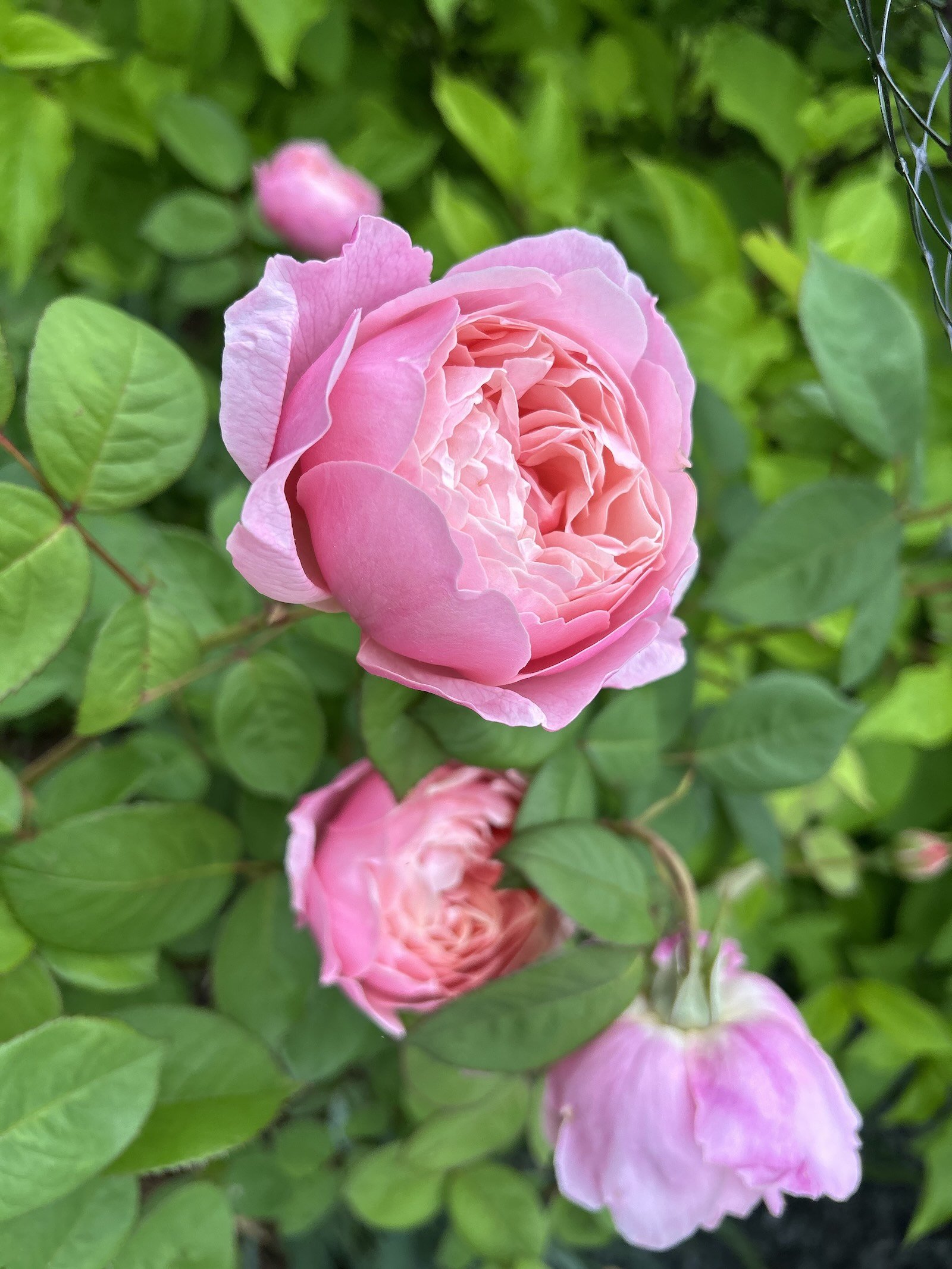
David Austin ‘Alnwick’ rose. All photos by Parsley & Petal.
I planted them in the South garden bed, with the peonies, because roses love full sun, but when I woke up the next morning, their heads had been chopped off. I had forgotten that roses are deer candy.
I was mortified and annoyed.
The deer had won this battle, I thought, but they had not won the war.
I moved them closer to the house, right by the deck, and secured the edge of the bed with discreet black deer netting.
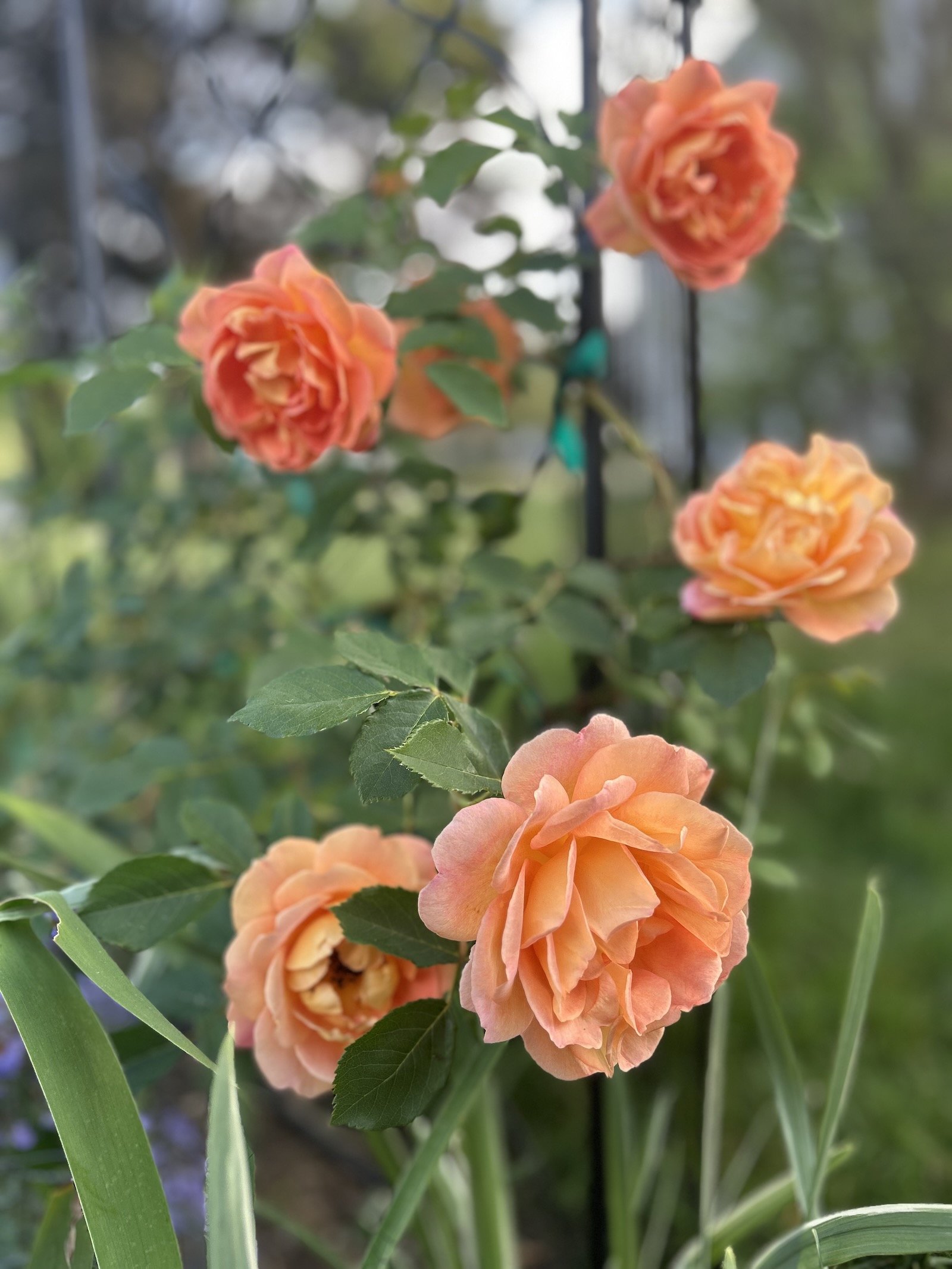
David Austin ‘Lady of Shallot’ rose on a trellis.
The following summer, I created a new rose bed containing two 'Lady of Shallott' rose shrubs and trained them onto black iron trellises. What began as a practical solution slowly evolved. One rose became several.
Salvia, catmint, and other perennials followed. Eventually, the two beds merged into one, making room for more roses and simplifying mowing.
As the garden changed, so did the neighborhood. Fences went up. The roses grew. And eventually, two chihuahuas joined the operation.
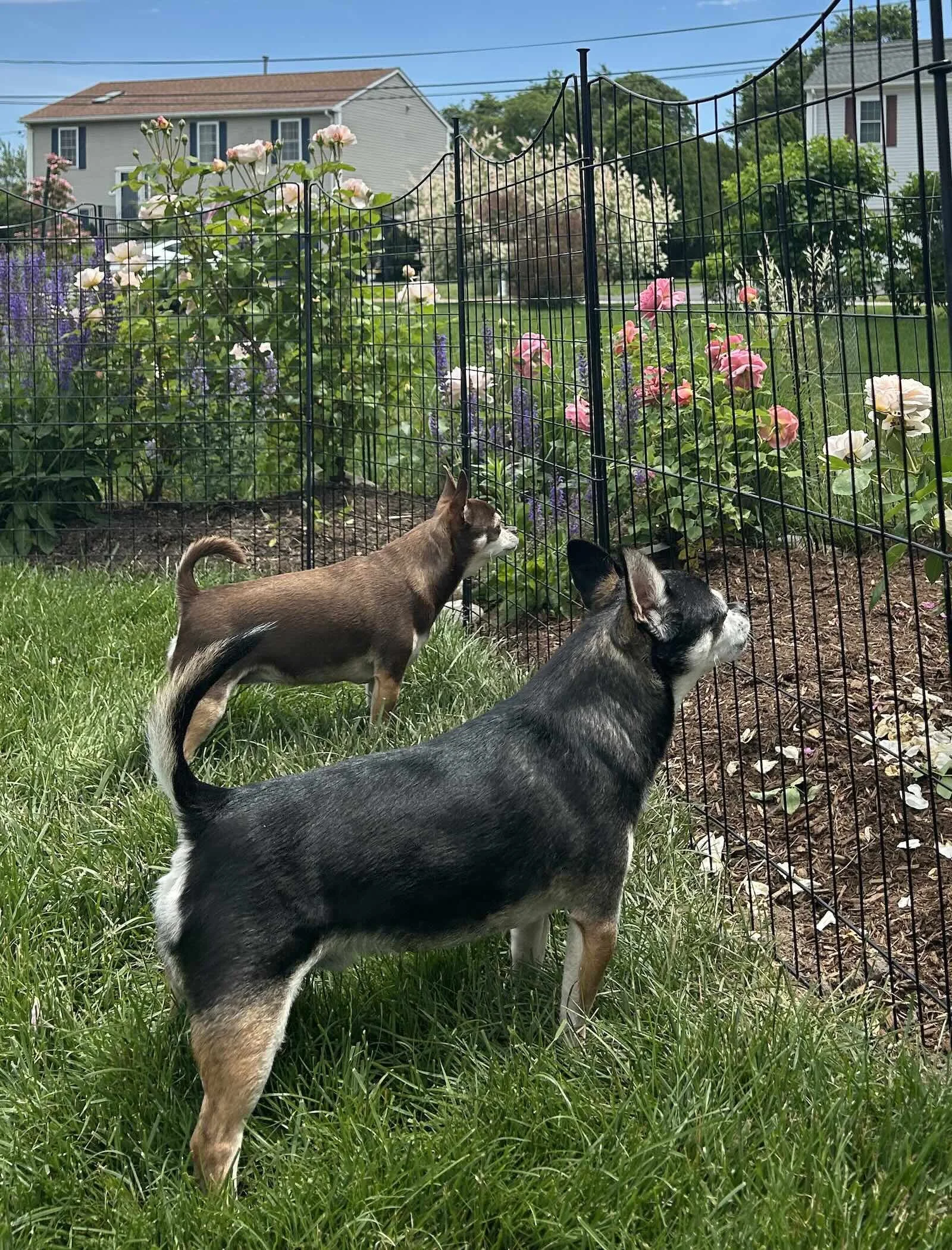
Our P&P Security Team, believing they have contained the threat, when, as my sister likes to say, the threat had actually contained them.
Needless to say, our Director of Turf Operations and Obstacle Course Management, normally wary of garden bed expansion projects, approved of these developments.
The arrangement saved him from spending his mornings chasing after the Chief Security Officer, who remains committed to investigating non-existent threats.
A dedicated space meant fewer fences scattered throughout the garden, easier watering, and less time walking from one end of the yard to the other with pruners in hand.
What I didn't expect was everything else.
The same fence that protected the roses created a place for the dogs to play.
The gate gave the space a sense of arrival.
The beds became easier to maintain because they were concentrated in one area rather than spread throughout the garden.
Somewhere along the way, a practical solution became a Rose Garden Room.
It wasn't part of a master plan. It evolved one decision at a time.
Now, when I look at that corner of the garden, I don't really think about deer fencing or watering schedules.
I think about how naturally it fits into our daily life.
These days, it's where I deadhead roses, enjoy my coffee, and keep an eye on two tiny supervisors making their rounds.
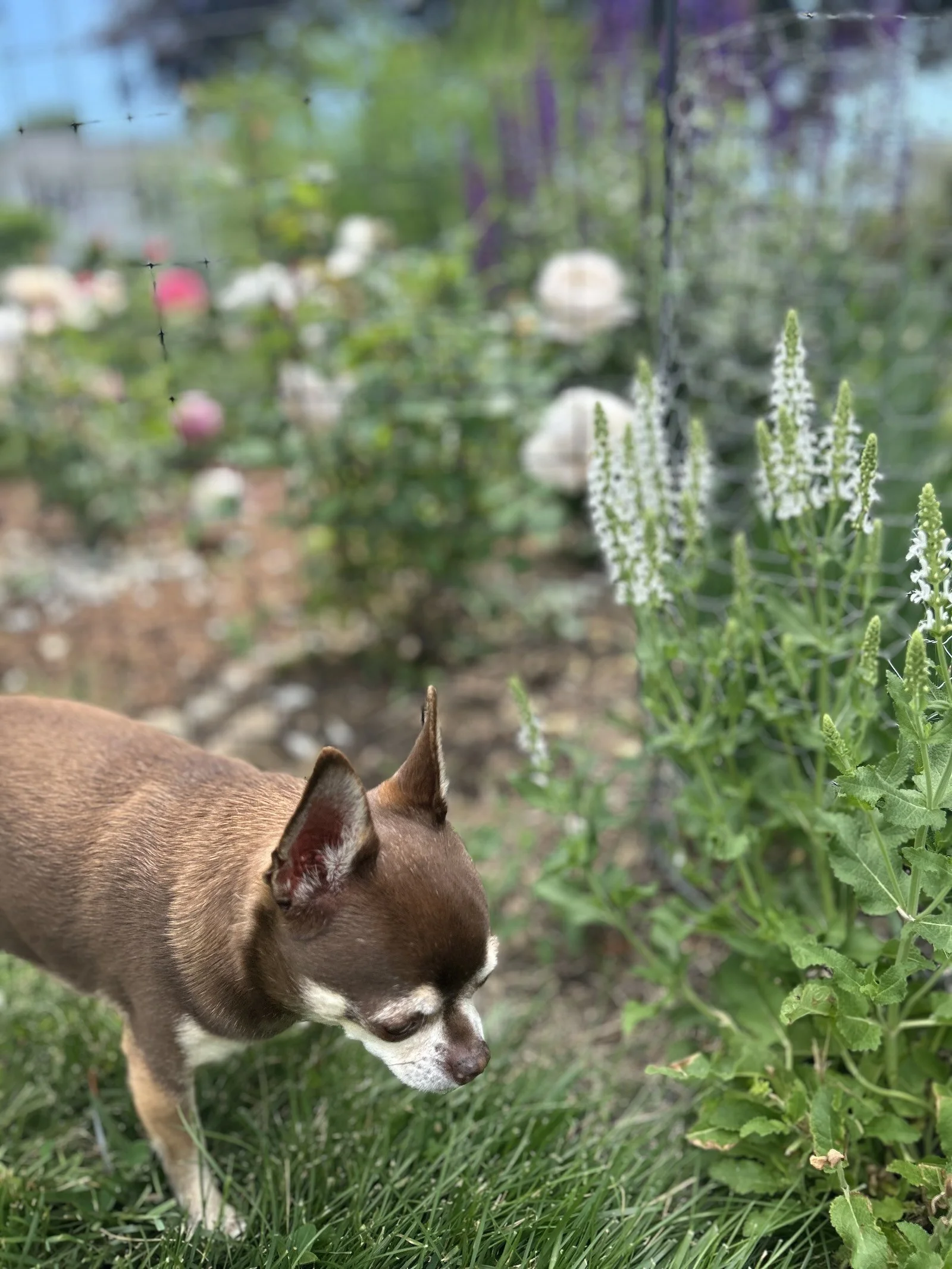
The Chief Security Officer conducts her daily routine inspection.
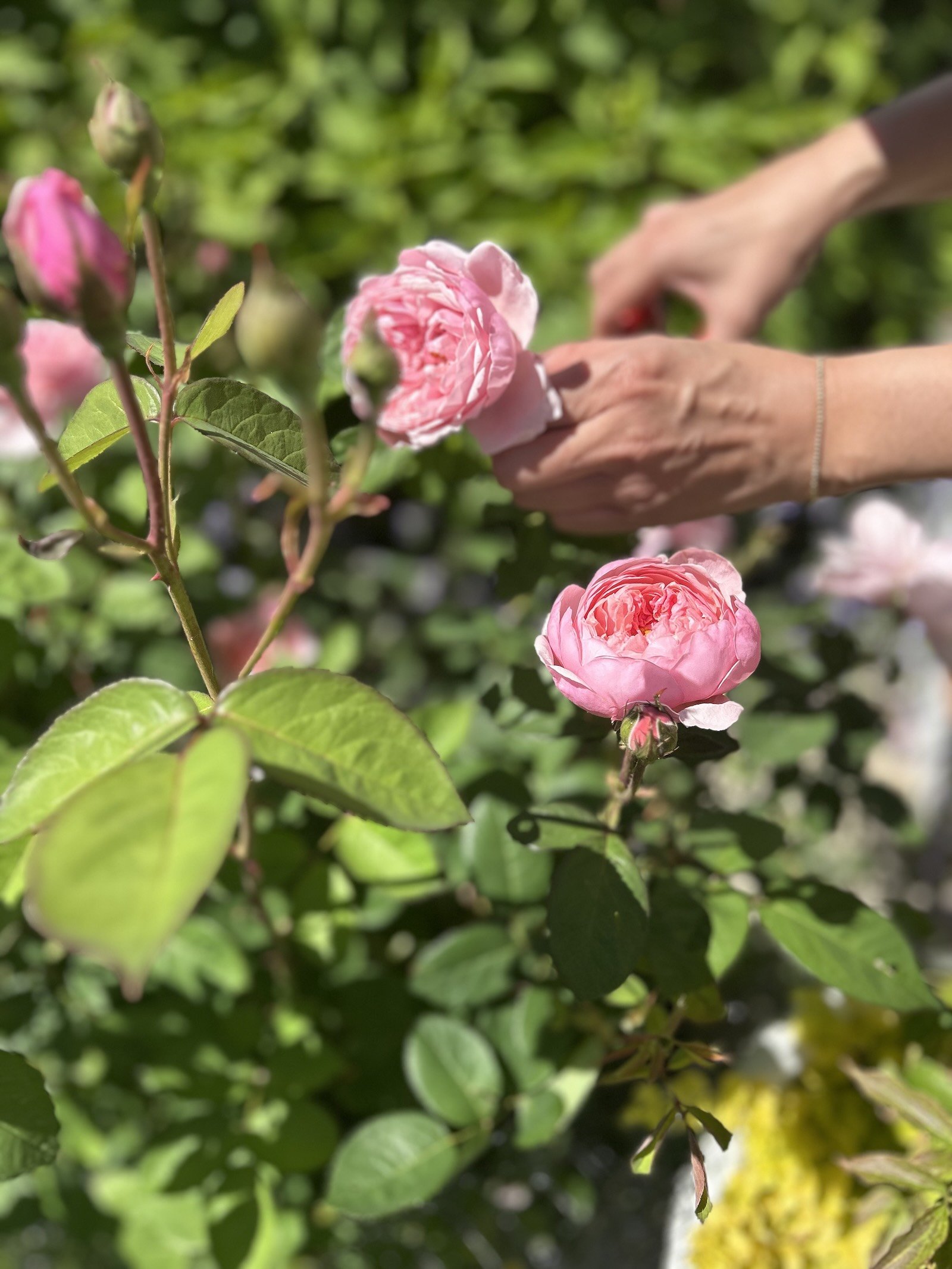
‘Alnwick’ rose
The roses are happy. The dogs are happy. And the space gets used. That's why it works for us.
The rose garden began as a way to protect roses from deer, but it owes a quiet debt to the neighbors. Their fences created the enclosure.
Mine simply completed the room.
You can find more seasonal notes and garden observations in The Seasonal Edit.
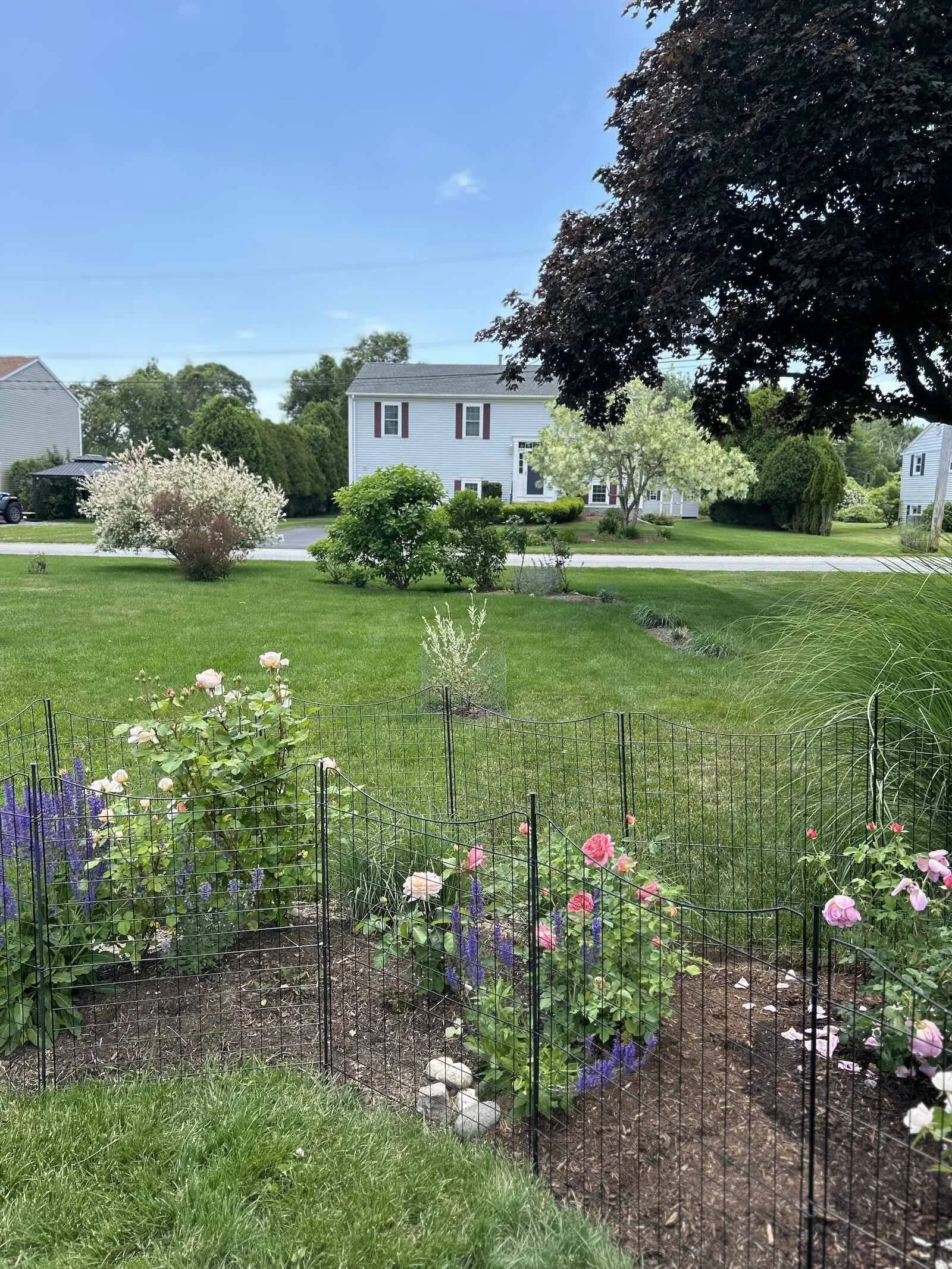
View from the Rose Garden Room.
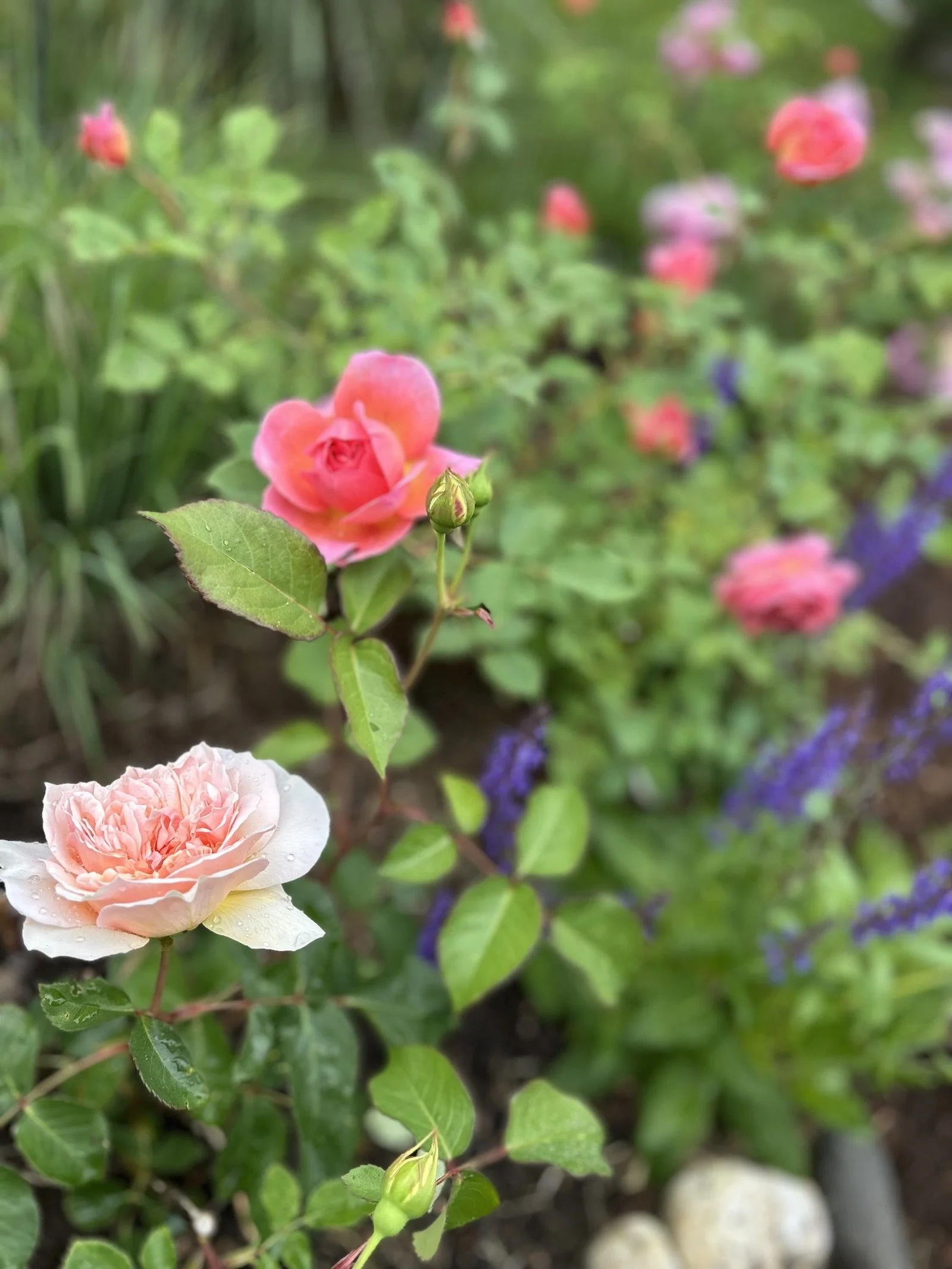
David Austin ‘Evelyn’ and ‘Boscobel’ roses with salvia nemorosa
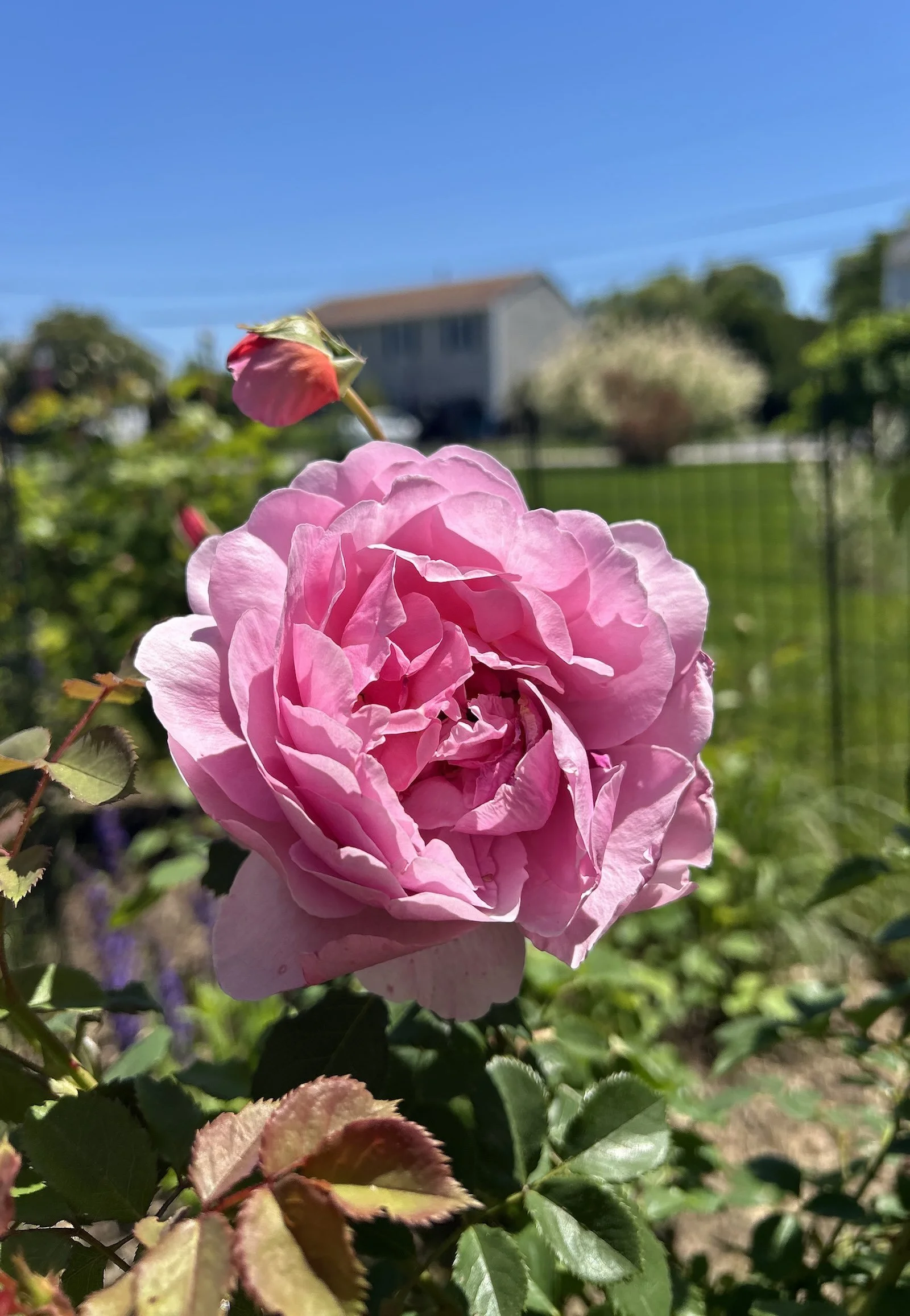
David Austin ‘Princess Alexandra of Kent’ rose
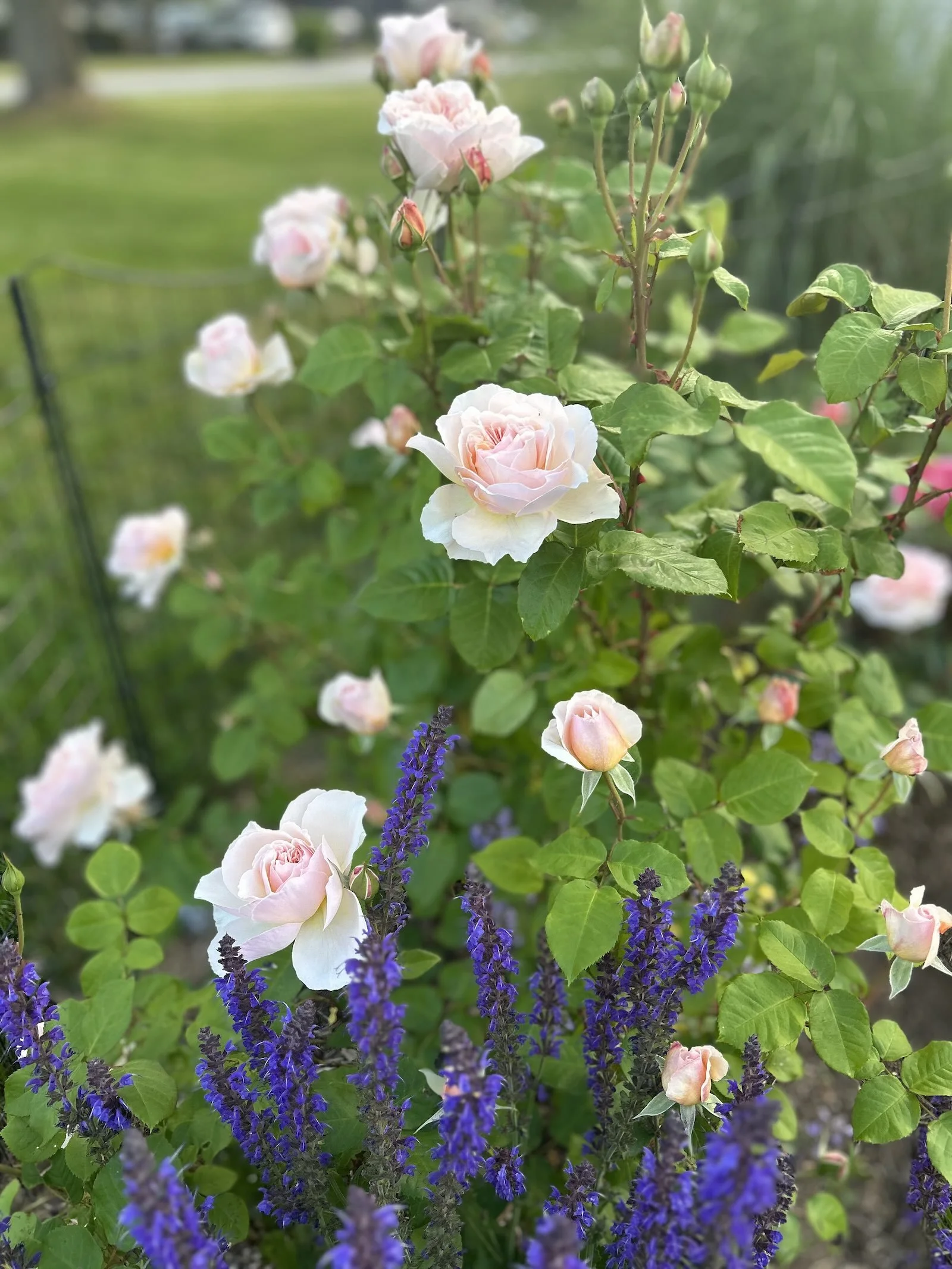
‘Moonlight in Paris’ rose and salvia nemorosa
Continue ReadingJoin Parsley & Petal